Highlights:
- Postpartum Birth Control
- Respectful Maternity Care
- Pilates in Pregnancy
- Vitamin D for Moms & Babies
- Welcoming a Rainbow Baby
- Nurses Make Change Possible for Babies










Highlights:
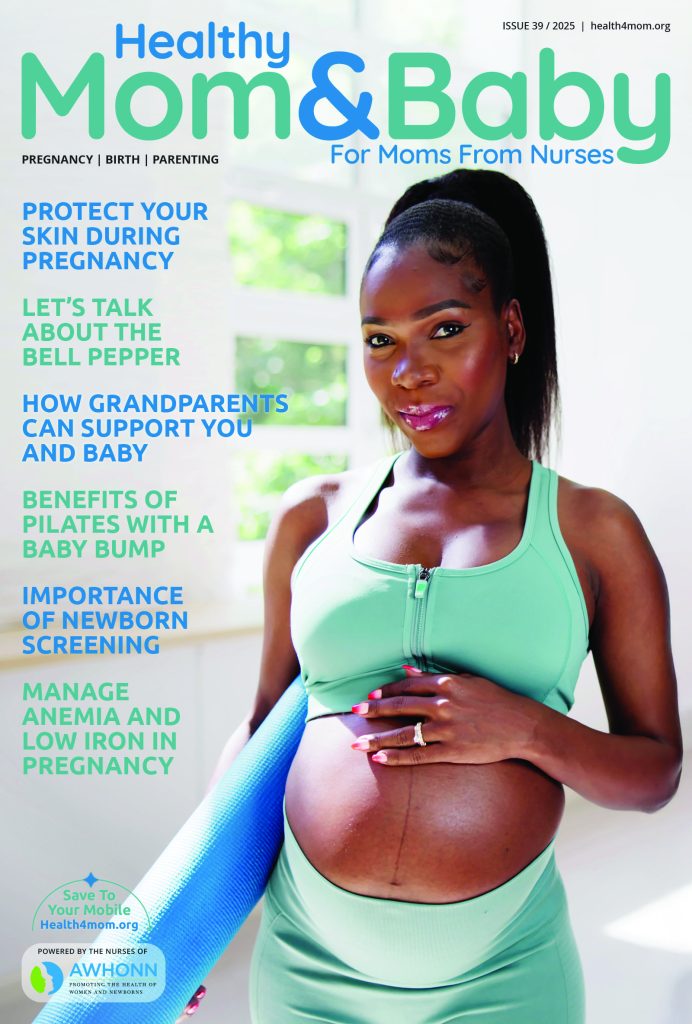
Healthy Mom&Baby magazine Issue 39 features a collection of articles with recommendations to care for yourself and your baby. You’ll have a new level of awareness after reading topics such as Take Charge of Your Oral Health, Prepare for Pregnancy with Preconception Counseling, Infant Security: Keep Your Baby Safe, Newborn Screening: Tiny Tests with Big Impact, and Swaddling: Hugs in a Blanket.
Hold Off on That Next Baby: Postpartum Birth Control – Whether you’re already picturing growing your family or it’s the furthest thing from your mind, it’s time to think about how to keep your next baby at bay…at least for a little while. As you adjust to your new role, talk openly with your partner about how the stressors of birthing a new baby can affect your feelings toward intimacy.
Let’s Talk About the Bell Pepper and Make Pregnancy Nutrition Fun – So, let’s talk about bell peppers. These sweet-flavored, bell-shaped, vibrant vegetables are packed with nutrients that offer many health benefits during pregnancy.
Life With a New Baby: How Your Crew Can Support You – Social media posts, TV shows, and clinic photos of new families don’t always portray what life with a new baby is really like. Begin talking to your loved ones now about how they can support you and your family once baby is born…give them the tools and knowledge to swoop in like superheroes to save the day!
You Deserve Respectful Maternity Care – Here’s What That Looks Like – Select a health care provider that meets your standards and aligns with your philosophy for birth. Ask your family and friends, or your social media network for their reviews of the facility you’re choosing for birth.
Perinatal Depression Facts – There are several mood disorders that are common while you’re pregnant and after you give birth. Be aware of the signs and symptoms, so you can recognize them in yourself or a loved one.
Oh No, My Leaky Bladder – Leaking urine is common, and there are ways to cope with light bladder leakage. You can strengthen your pelvic floor muscles with exercises to maintain good muscle tone which is critical to preventing or improving bladder leakage.
Prepare for Pregnancy with Preconception Counseling – Preconception counseling is an important step to prepare your mind and body for a healthy pregnancy and baby. It’s an individualized session with your health care provider to help you make informed decisions while preparing for pregnancy.
Managing Anemia and Low Iron in Pregnancy – Pregnancy is an exciting journey, and you may encounter a few surprises along the way. The good news with anemia is that you have options, and there are steps you can actively take each day to improve the health of you and your baby.
Skin Care Throughout Pregnancy – Pregnancy changes your skin each trimester because of hormonal changes, increased blood flow, and skin stretching. Replenish yourself everyday by cleansing, nourishing, and protecting your skin.
Type 1, Type 2, and Gestational Diabetes: What’s the Difference – All three types of diabetes mellitus involve too much sugar (glucose) in your blood; your health and your baby’s health can be negatively affected if your blood sugar isn’t managed well. The good news is you can protect yourself and your baby from the life-long consequences of diabetes.
Consider Pilates in Pregnancy – Pregnancy is a time of extraordinary changes for your body. Taking control through exercise empowers you to feel stronger, be more capable. Pilates connects you more deeply to your body while it makes you more flexible.
Heartburn and Hormones: Everything You Need to Know About Acid Reflux in Pregnancy – Throughout pregnancy, many hormones in your body are changing – increasing, decreasing, and affecting different body systems in a number of ways. The number of women who experience acid reflux increases with each trimester; it’s estimated to affect between 25-75% of pregnant women.
Vitamin D for Moms & Babies – Why It’s Important; How to Get Enough – The American Academy of Pediatrics (AAP) recommends that breastfed babies receive vitamin D supplements to decrease the chance of rickets (softening of the bones). Talk with your pregnancy care provider about foods you’re considering and if you need to take a vitamin D supplement.
Infant Security – Keep Your Baby Safe – As you’re getting to know your baby in the first few moments after birth, it’s important to know how you and your health care team can keep baby safe. Infant security is a high priority in the birthing center or hospital you choose for your birth experience.
Welcoming a Rainbow Baby: Embracing Joy After Loss – Your transition into parenthood should be filled with excitement, hope, and dreams of the future; however, sometimes, becoming a parent may also include heartbreak. If you and your partner decide to have another baby after a loss, your healthy baby is considered a “rainbow baby.”
Infant Transition: From the Womb to the World – Before birth, baby is in a safe and warm place where they grow and develop. After birth, they must adjust to a new world, full of bright lights, loud sounds, and cooler temperatures. This process is called “transition.”
Newborn Screening: Tiny Tests with Big Impact – Right from the start, your little one gets the superpower of early detection. Newborn screenings are designed to catch rare but serious conditions—often before symptoms show up. Early diagnosis means early treatment, and early treatment means your baby has the best chance at a healthy and happy start.
Tummy Time: Why Your Baby Needs It – If you’ve ever placed your baby tummy side down on the floor and they responded with loud protests, don’t worry, you’re not alone. But no matter how your little one feels about it, tummy time is a big deal for their growth and development.
Bathing and Moisturizing Baby’s Skin – From birth, protecting and promoting baby’s healthy skin is a daily job for parents and caregivers. You can trust you’re doing the very best every day for your baby when you follow the advice from your nurses.
Swaddling: Hugs in a Blanket – Swaddling, wrapping your baby snugly in a blanket, dates back thousands of years and has been used across many cultures with different types of cloth and techniques. Similar to how a person experiencing anxiety benefits from a weighted blanket, your new baby can receive many benefits from being swaddled, especially in their first days of life.
Keeping Baby Safe from the Start – Immediately after birth, there a few important things that can keep baby safe and healthy such as skin-to-skin care and rooming in with you at the hospital which may help your milk come in sooner.
Grandparent’s Role in Caring for You and Your Newborn – As you and your partner welcome a new baby, your parents experience an identity shift as they become grandparents. It’s best to sit down or call your parents and discuss what you and your partner expect of them while you’re pregnant and how involved you want them to be when you give birth.
Nurses Make Change Possible for Babies – For babies, diapers are essential like food and shelter. According to the National Diaper Bank Network, diaper need is a growing problem in our country. A clean diaper means a happy baby, 1 in 2 U.S. families with young children cannot afford enough diapers to keep their infant or child clean, dry, and healthy.
Healthy Mom&Baby magazine is nurse-expert-authored health and wellness advice, from preconception and pregnancy to labor, birth, and parenting. More than 1.2 million women read the free online magazine and gain practical advice and information from nurses at Health4Mom.org.
Healthy Mom&Baby is powered by the nurses at the Association of Women’s Health, Obstetric and Neonatal Nurses (AWHONN). It is the foremost authority promoting the health of women and newborns and strengthening the nursing profession through the delivery of superior advocacy, research, education, and other professional and clinical resources. Learn more about AWHONN at www.awhonn.org.