







You just received the news that you’re pregnant. Congratulations! One of the first decisions you’ll make is to choose a health care provider to support you through pregnancy and childbirth. It’s important to know that where you live matters and can affect your options for accessing maternity care.
Find Out If You Live in a Maternity Care Desert
The United States has 3,142 counties, and 1,104 of these counties are maternity care deserts. In the 2024 report, “Nowhere to Go: Maternity Care Deserts Across the US,” The March of Dimes describes a maternity care desert as a county that has no birthing facilities and no obstetric care providers or other health care professionals that specialize in maternal care. More than 2 million women of reproductive age (15-44) live in these counties.
If you live in a maternity care desert, it’s possible that you may receive less prenatal care and your baby has a 13% increased chance of being born early (before 37 weeks). In 2022, women who lived in maternity care deserts gave birth to 150,000 babies.
Despite where you live, there are strategies that you can use to ensure you have access to the resources and high-quality care you need throughout your pregnancy and birth.
Search for Birth Facilities
Begin your search by finding out where people in your area give birth. Your options may include hospitals, birth centers, and at home.
Hospital with a Labor and Delivery Unit
- Labor and delivery is a dedicated unit in a hospital where pregnant women receive care before giving birth, during labor, and after birth
- Care is provided by obstetricians, maternal-fetal medicine specialists, midwives, and nurses
Birth Center
- A birth center is a health care facility with a community-centered focus for pregnant people with low-risk pregnancies, which means you and your baby are less likely to experience complications
- The environment feels like home, and care costs less than care in a hospital
- Care is often provided by midwives. The midwifery model of care supports the normal progression of labor and birth without interventions that are not medically necessary. This means that you’re less likely to have pain medication, labor induction, fetal heart monitoring, or vaginal birth with forceps or vacuum
- Birth centers have lower rates of preterm (before 37 weeks) and cesarean births and higher rates of breastfeeding and patient satisfaction with care than hospitals
The American Association of Birth Centers states that there are more than 400 freestanding birth centers in the U.S., across 40 states and Washington, D.C.
Home Birth
- If you have a low-risk pregnancy, you may choose to give birth at home with your family
- Home births are usually attended by midwives
- It’s important to check insurance coverage because you may need to pay some out-of-pocket costs
- Keep in mind that you may need to go to a hospital if any problems with you or baby occur during labor and birth
- You may also want to have a trained person available whose primary responsibility will be to care for your newborn after you give birth
Review Birth Facilities
If you choose to give birth at a hospital or birth center, take time to read reviews online and ask people in your network about the facilities. Here are some key questions to ask:
- Are parents satisfied with their experience?
- Are birth plans honored?
- Are birthing people and their partners treated with respect and dignity? If complications occurred, were the mom or baby transported safely to a facility with a higher level of care?
- Is the facility far away?
Hire A Doula in a Maternity Care Desert
If you live in a maternity care desert, and you’re not satisfied with the ratings of the birthing facilities closest to you, are you able to travel or stay with relatives so that you can give birth in a location you prefer?
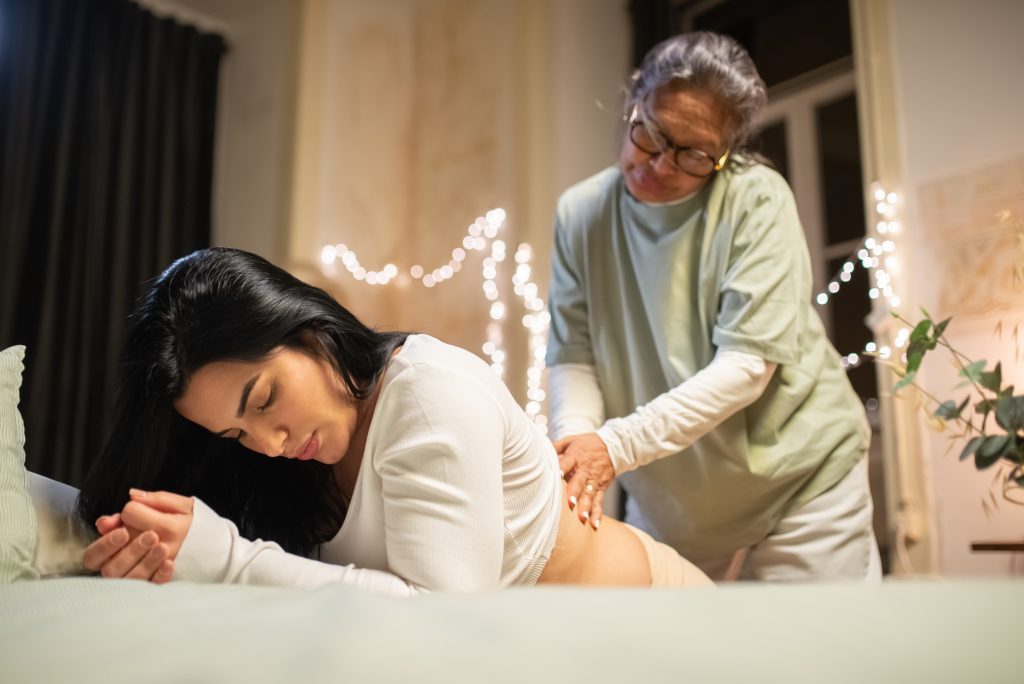
If living away is not an option, can you hire a birth doula? A doula is a birth worker who is hired to support you and your family through the birthing process and beyond. Doulas typically:
- Attend prenatal visits with you and being available to discuss the details of your appointments by phone
- Provide reassurance and suggestions for comfort and pain relief
- Record important information from events throughout your pregnancy, labor, and birth
- Support your breastfeeding goals in the hospital and at home visits
- Offer advice, information, and resources throughout your pregnancy
If you feel that you’ll be well supported during pregnancy, labor, and birth, but you may need help after you bring your baby home, consider hiring a postpartum doula. These types of doulas work with families for weeks or months after childbirth.
Improve Your Health
At any time, you can improve your health status. For example, if you’re not pregnant, you can choose healthier food options, drink water more regularly, and walk or ride a bike a few times per week.
If you are pregnant, you can stop smoking and drinking alcohol, use a birth ball to stretch, take a pregnancy yoga class, or join a neighborhood or virtual walk group that exchanges healthy snack tips.
Reducing chronic health conditions before they affect you gives you more options for where you can give birth. Chronic health conditions include high blood pressure, diabetes, kidney disease, depression, and asthma.
If you live in a maternity care desert and have a chronic health condition, you can
- Stay in touch with your primary care provider who is familiar with your health history and can partner with your pregnancy care provider
- Seek out telehealth options
- Talk to your pregnancy care provider about having another baby before you get pregnant again
Use Innovative Technology in a Maternity Care Desert
Because so many hospitals closed their maternity units since the COVID-19 pandemic and have ongoing shortages of health care providers, use these innovative strategies to stay in touch with your pregnancy care provider to monitor you and your baby’s health.
- Ask about paid rideshare costs for in-person appointments
- Register for telehealth visits
- Use remote ultrasound monitoring when offered
- Create accounts for mobile apps that track your heart rate, blood pressure, and baby’s movements
Where You Live Matters
When you’re pregnant, you often shift your focus to the well-being of your baby. If you live in a maternity care desert, you may have to take more time to network in your community to find the best and safest resources to support you during pregnancy, birth, and postpartum. Know that you’re not alone, there are organizations and people who care about you and your baby. You aren’t just a statistic. You and your family deserve to be well cared for.
YOU MAY ALSO LIKE: New Car Seat Safety Standards