







Are you familiar with any of these celebrities and has your life been affected by their talent and work: Chadwick Boseman, Dustin Diamond, Randy Gonzalez, Shannen Doherty, Ananda Lewis, and D’Angelo. Sadly, all passed away in their 40s or early 50s from different types of cancer.
New Numbers on Cancer Screening
According to the Prevent Cancer Foundation’s 2025 Early Detection Survey, just a little more than one half of U.S. adults aged 21 and older say they’ve had a routine medical appointment or routine cancer screening in the past year. In comparison, that’s a 10-percentage point screening drop from the 2024 survey.
A cancer diagnosis before the age of 50 (like many of the celebrities above had) is considered early-onset (or young-onset) cancer. For at least 10 cancer types, the U.S. is currently seeing a rise in the number of people diagnosed before age 50. This age group faces unique challenges such as screening delays which lead to delays in diagnosis, financial hardship, challenges in dating, relationships, body image, and sexual health, as well as concerns around fertility, such as plans to have children.
Request A Cancer Screening
Cancer screening appointments can be scary because they could reveal that you have cancer. An encouraging bit of news from the 2025 Early Detection Survey was that 73% of people are more likely to schedule their routine cancer screenings and medical appointments when they learn the benefits of early detection. The 5-year survival rate for many types of cancer is very high when found early. If you don’t get an all-clear, your health care provider may perform a biopsy. During a biopsy a small sample of skin, or group of cells, is removed from your body and examined more closely. Early detection positions you for easier types of treatment and higher chances of successful treatment. This information is incredibly impactful in motivating people to get screened.
At your next primary care appointment, discuss the screening exams below with your health care provider to decide if any are right for you based on your age, personal or family history, and lifestyle.

Types of Cancer Screening
Lung cancer screening. This screening is not usually done unless you’re considered at increased risk, often based on your age and smoking history. If needed, testing may begin with a chest X-ray to look for any abnormalities in your lungs.
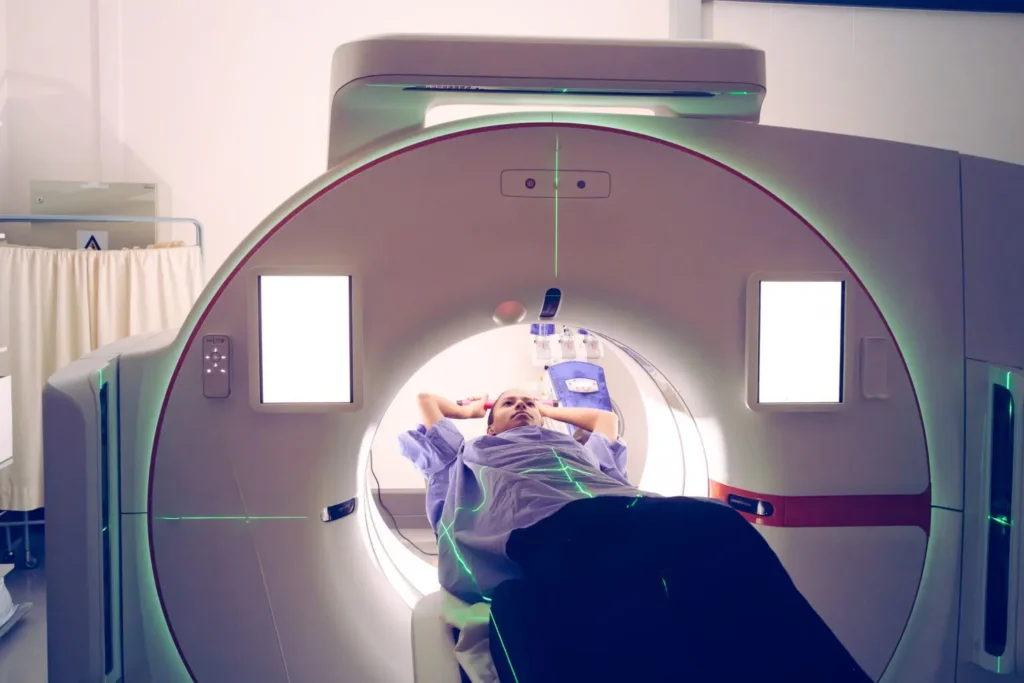
Your health care provider may then request a low-dose computed tomography (low-dose CT or “CAT”) scan to take images across your body. A low-dose CT is a donut-shaped scanner that minimizes your exposure to radiation by using X-rays and computer technology to view your internal organs, bones, muscles, blood vessels, and other tissues. The scan rotates around your body quickly while you’re lying on a table.
Skin cancer screening. This screening is when a health care provider visually examines the skin over your entire body, including areas that may be challenging for you to see like your back, scalp, or the area in between your toes. You’ll want to point out any new, changing, painful, or itchy moles. Let your health care provider know if you’re concerned about any area of skin that has changed in size, shape, or color or has been bleeding, leaking fluid, or become crusty. For more information, review the ABCDEs of skin cancer.
Breast cancer screening. This screening is performed with a low-dose X-ray machine (called a mammogram), which creates images of your breast tissue. Your health care provider will let you know how often to have this test (every year or every 2 years) and whether you need another type of screening, if you’re at high risk, or if the result of the test shows something concerning.
It’s possible that you’ve heard family and friends grumble about how uncomfortable the exam can be. But keep in mind, it only takes about 15 minutes to complete. It’s worth it! For every 100 women who truly have breast cancer, a mammogram will correctly identify 87 of them.
For people of average risk, mammogram testing should start at age 40. If you’re at increased risk, however, you may need earlier or more frequent screening. If you’re younger than 40, get a check-up at least once every 3 years for risk assessment, risk reduction counseling, and a clinical breast exam.
Cervical cancer screening. This screening can be a part of your routine pelvic exam. Your health care provider will collect cells from your cervix, which is located above the top of your vagina and connects the uterus to the vagina. Those extracted cells are examined under a microscope to look for abnormalities and tested for the presence of high-risk human papillomavirus (HPV) infection. If abnormal cells are found, your health care provider may have you undergo additional testing and may remove the abnormal cells to prevent cancer. If HPV is detected, you’ll need to be closely monitored for cancer that could develop from the virus (but most HPV infections do clear on their own).
The HPV vaccine is an effective way to prevent HPV infections and is recommended for individuals between the ages of 9 and 45 years old. Additionally, health care providers anticipate that newer methods of cervical cancer screening may increase access for groups of women who have experienced barriers to traditional screening methods.
Colorectal cancer screening. This screening has many different testing options to identify cancer or detect precancerous polyps inside your large intestine. A polyp is an overgrowth of tissue that can be found inside organs like your colon, stomach, nose, and uterus.
If you’re of average risk, it’s important to get routine colorectal cancer screenings starting at age 45. And if you’re experiencing any symptoms, regardless of your age, you’ll want to talk to your health care provider so you can get screened. Colorectal cancer is on the rise in younger adults, so be aware and have conversations with your health care provider.
Sometimes, people are embarrassed to discuss their bowel habits and problems like diarrhea, bleeding, or painful stomach cramps, especially with their health care provider. Don’t allow yourself to fall into this category because colorectal cancer is often curable if found early.

Need An Accountability Partner?
- Highlight the date of your last cancer screening and if it has been some time, review your insurance company’s website to find an in-network health care provider who’s accepting new patients. Don’t delay scheduling these potentially life-saving appointments.
- Set annual reminders on your phone, such as an online calendar or favorite app, 2-3 months in advance to set up medical appointments. Below is a short list of cancer awareness months:
- January = Cervical cancer awareness month
- March = Colorectal cancer awareness month
- May = Skin cancer awareness month
- October = Breast cancer awareness month
- November = Lung cancer awareness month
- Ask a trusted family member or friend to be your accountability partner to help you stay on top of your screenings. Check in with them and share the date of your cancer screening(s) and what may come of the test results.
No one is promised a long life, however, with advancements in medical technology and artificial intelligence, there’s a great chance that you can live many years if you take control of your health, including getting regular cancer screenings.
YOU MAY ALSO LIKE: Colorado Paid Leave Benefits More Parents