







Endocrine disrupting chemicals, or EDCs, are natural and human-made environmental toxins. EDCs disrupt your endocrine system, which is responsible for controlling your body’s functions through hormones. These hormones affect brain development, mental health, fertility, and much more.
EDCs can copy, block, or change the levels of the body’s hormones. When humans encounter EDCs, they can experience early puberty, learning disabilities, and other challenging health outcomes like cancer. These chemicals are found everywhere, making them unavoidable; however, there are things you can do to reduce your exposure and decrease the effects of EDCs during pregnancy and beyond.
Assess Your Options
The foods you choose to eat can affect how much you’re in contact with EDCs.
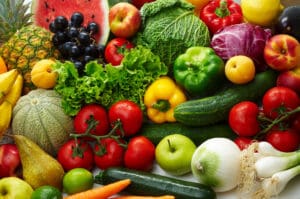
- Choose fresh fruits and vegetables to nourish yourself and your bundle of joy
- Buy organic options and lean meat when possible
- Wash all produce with clean water and peel the skin to avoid EDCs that come from pesticides
- Cook fresh foods at home
- Limit or skip fast and processed foods
- Store and reheat foods in non-plastic containers
Convenient foods are easy to buy and prepare, but EDCs are often used to make and preserve these types of foods. Plastics contain EDCs and you increase your risk when you re-heat food in these containers. EDCs are likely to be found in the fatty parts of meat because they’re attracted to and dissolve in fats. The animals we eat come into contact with EDCs in their environment and through foods they’re fed.

Beware of EDCs in Common Care Products
The personal care product market generates about $100 billion per year and has great influence over how people believe they should look, smell, and feel. Many cosmetics, fragrance, hair and hygiene products contain EDCs. The number of personal care products you use daily increase how often you and your baby are exposed to EDCs.

Check Ingredients
The scientific names for EDCs may be hard to pronounce, but some have smaller words within these complex names that make it easier for you to identify EDCs as an ingredient.
Below are a few common words to look for within the ingredient list (usually on the back of a package) that may be in the beginning, middle, or end of an ingredient’s name:
- Biphenyl
- Dioxin
- Paraben
- Perfluoro
- Phenol (including bisphenol)
- Phthalate
- Triclosan
Now that there are apps for everything, you can download those that help you identify toxins like EDCs. You’re in a better position to make informed decisions about foods, products, and ingredients to decrease you and baby’s exposure to ECDs and improve your long-term health.