
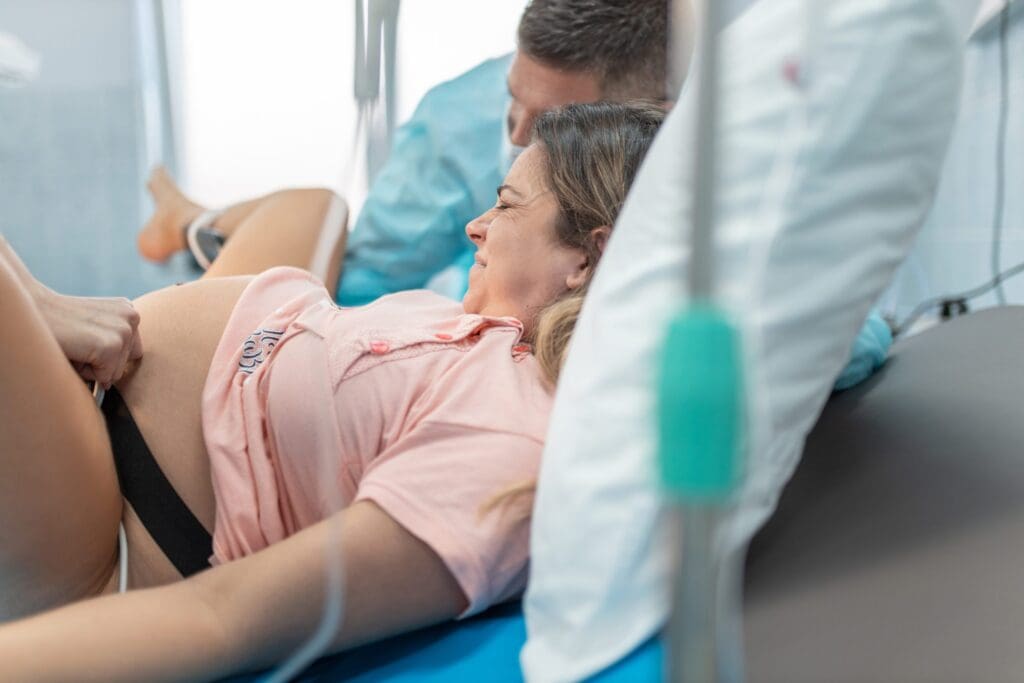







Birth isn’t comfortable, and it’s not always safe for nerves in your lower body serving your hips, legs, knees and feet (lower extremities). Hormones released during pregnancy relax muscles and loosen ligaments and joints, especially in your pelvic area. Changing positions during labor helps with birth, holding some positions can increase your risk for injuring your lower extremity nerves.
Protect Your Lower Extremity Nerves
A combination of pressure and stretching on the lower extremity nerves over time increases your risk for nerve injury. Prevent injury with these tips:
- Protect your hips and knees: Avoid squatting or pulling your knees outward toward your chest (overflexing) for long periods of time. Keep your legs in a natural, relaxed position between pushes
- Avoid bracing your legs against hard surfaces like the bed, side rails or stirrups. Your nurses will happily support your legs, especially if you are using epidural
- Change positions every 10-15 minutes during pushing. With an epidural, you may not feel the warning sensations of nerve pressure or stretch
- Regularly change the positions of your hands when pulling behind your thighs or knees
Get Help for Nerve Pain
Sometimes lower extremity nerve injury is misdiagnosed or missed because symptoms are often mild. If you develop any these symptoms after an epidural has worn off, quickly alert your pregnancy care provider. Not all areas may be affected equally—you may have pain in your left hip but not your right. Get care for any of the following:
- Numbness, weakness, or loss of function in your lower extremities that affects normal walking or movement
- Tingling, tightness, or pain in your lower extremities that doesn’t improve
- Increased or extreme sensitivity to touch
- Difficulty lifting the front part of your foot (foot drop)
Use safe positions and change position often during labor and birth to prevent lower extremity nerve injury. You know your body best; tell your care team if something doesn’t feel right.