








As with any health condition, you may be the first person to realize that you’re experiencing something and begin to feel or behave differently than before you became pregnant or had your baby. Noticing the change is only the first step. The harder step is asking for help—and far too many moms with mental health challenges aren’t taken seriously when they do ask.
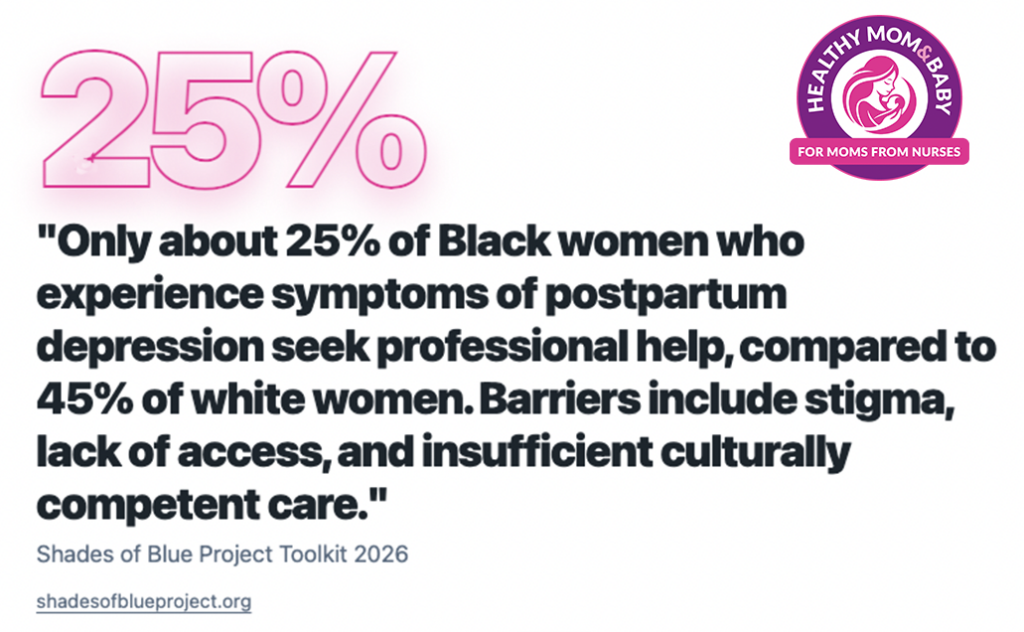
During Black Maternal Mental Health Week, Healthy Mom&Baby joins the national effort to raise awareness that only about a quarter of Black women with symptoms of postpartum depression seek professional help, compared to nearly half of white women. The reasons include stigma, lack of access, and a shortage of culturally competent care.
Mental health conditions are hard to speak up about, and it’s also hard to know exactly what to say to ensure you are heard.
Conditions That Are Hard to Discuss
Postpartum depression (discussed in part 1 of this series) is common in new mothers. However, anxiety disorders can also affect you after giving birth.
Postpartum Anxiety
Postpartum anxiety can feel like constant worry you cannot turn off—racing thoughts, chest tightness, trouble sleeping even when the baby sleeps, or a constant fear that something terrible will happen. Anxiety after birth is common, but worry should not take over your life.
Postpartum Panic Attacks
Panic attacks can feel sudden and intensely frightening: racing heart, chest pain, dizziness, shaking, shortness of breath. They are not you “being dramatic”—they are real physical experiences. If you have chest pain or trouble breathing that could be an emergency, call 911.
Postpartum Obsessive-Compulsive Disorder (OCD) Symptoms
OCD symptoms can involve intrusive, constant thoughts that feel scary, unwanted or completely unlike you. You may fear harming your baby even though you never would, and repeat actions like checking or cleaning to make these thoughts go away.
These “obsessive” thoughts can be terrifying to say out loud—but trained mental health experts understand, won’t judge, and can help you.
To Get Help, State the Facts
When you seek help, you don’t have to make your words sound polished. Just tell the truth, starting with one clear sentence, such as: “I gave birth recently, and I’m not okay.” Then get more specific. Some examples of what you might say are:
- “I’ve felt sad or hopeless for more than two weeks.”
- “I’m having scary thoughts that I don’t want to have.”
- “I’m not sleeping even when the baby sleeps.”
- “I feel panicked and can’t calm down.”
- “I need to be screened for a maternal mental health condition.”
The person you tell should take what you say seriously.
If You Feel Brushed Off, Repeat Yourself
Unfortunately, some people you trust or some experts won’t hear you the first time. If this happens and you feel brushed off, say what’s wrong again plainly and keep saying it. Here are a few more examples of what you can say:
- “I need a mental health screening today.”
- “I need a referral to someone who treats postpartum mental health.”
- “I don’t feel safe waiting.”
- “I need you to tell me where to go right now.”
It can be disappointing to share what you’re feeling and have no one listen. However, help is available. For the sake of your health and your baby’s health, please continue reaching out to different sources in your family, friend circle, or community and keep talking until someone listens to you. It’s important that you don’t allow anyone to silence you.
Mental Health Care Access is Improving
Many barriers to mental health care still exist, but access is improving in ways that make it easier to get help.
Try Telemedicine and Remote Therapy
More providers and clinics now offer appointments you can attend from home or any location as long as you have a landline or cell phone.
Use Extended Medicaid Coverage
Some states now cover mental health care for up to one year after you give birth.
Look for Providers of Color
Many community organizations have directories and can help you find culturally competent care across the U.S. You don’t have to be in the same physical location.
Call Someone Now
Call or text the National Maternal Mental Health Hotline at 1-833-TLC-MAMA (1-833-852-6262). It’s free and confidential, 24/7. You can also contact a member of your healthcare team, such as your OB/GYN, midwife, nurse, primary care provider, doula, therapist, or your baby’s pediatrician. If you’re in crisis, call or text 988. If you feel you are in immediate danger of hurting yourself or your baby, call 911.