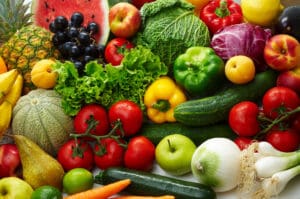








Here’s what we know so far: You’re expanding your family, doing an amazing job carrying your anticipated bundle of joy, and taking time to learn about healthy eating during pregnancy. Good for you! So, let’s talk about bell peppers. These sweet-flavored, bell-shaped, vibrant vegetables are packed with nutrients that offer many health benefits during pregnancy.
What Are Bell Peppers?
Bell peppers are botanical fruits like the tomato and grow into several shapes, colors, and sizes. They’re native to Mexico, Central and South America, and the Caribbean. Their delicious flavors transform any ordinary meal into a delight for your eyes and tastebuds.
Bell Pepper Fun Facts
- In Thomas Jefferson’s garden in Monticello, VA, a variety of peppers were grown, in particular the bullnose pepper
- Bell peppers are versatile vegetables that can be prepared with many dishes in a variety of forms, including raw, grilled, roasted, stuffed, and sautéed
- You can freeze bell peppers up to 6 months after purchase; they can safely be stored for up to 12 months
- Chop small bell pepper pieces or large slices and store them in containers, blend them into soups and sauces, or dry them and use as seasoning to add essential vitamins and minerals to your meals
Types of Nutrient-Rich Bell Peppers
Green Bell Peppers are the most common bell peppers available and usually the least expensive. Green peppers are picked before they fully ripen and have a slightly sharper or bitter taste than other peppers.
Red Bell Peppers are fully ripened green peppers and are considered the most nutrient-dense variety. Red peppers are in the family that includes jalapeño, cayenne, and chili peppers.
Yellow Bell Peppers are slightly sweeter and milder than the green variety. They’re easier to eat for children and people who don’t like spicy foods.
Orange Bell Peppers also offer a sweeter flavor than green or red peppers. Their distinct color is a result of the ripening process.
Benefits of Eating Bell Peppers During Pregnancy
- Rich in Vitamin C: Green, red, and yellow bell peppers are an excellent source of vitamin C. Vitamin C is an antioxidant essential for a healthy immune system and helps delay damage to your cells. It’s important during pregnancy when your immune system is slightly suppressed to accommodate your baby’s growth. This vitamin also helps your body absorb iron from plant-based foods and prevents iron deficiency anemia, which is common during pregnancy.
- Boosts Collagen Production: Vitamin C plays a vital role in the production of collagen, a protein that reduces joint pain between bones. This is especially important while you’re pregnant, as your body undergoes significant physical changes, and collagen helps ensure that your skin remains elastic and healthy as it stretches.
- Supports Eye Health: Bell peppers contain the antioxidant beta-carotene, which the body converts into vitamin A. This vitamin plays a crucial role in supporting the eye health of both mom and baby. Adequate vitamin A levels are important for your baby’s vision as they develop in your womb and may reduce the risk of eye-related birth defects. Vitamin A can also decrease the risk of age-related vision loss and cataracts.
- High in Folate: Bell peppers are a natural source of folate (known as folic acid in supplement form). This nutrient is key in the earliest stages of your baby’s development during the first trimester. Folate helps prevent neural tube defects in your developing baby. The neural tube eventually forms into your baby’s brain and spinal cord.
- Promotes Healthy Digestion: Fiber-rich bell peppers support healthy digestion. Hormone changes during pregnancy and pressure from your uterus on your bowels can cause constipation or other digestive issues. The fiber in bell peppers helps promote regular bowel movements, keeping things moving along smoothly.
- Offer Hydration: Bell peppers are more than 92% water. When you eat bell peppers during pregnancy, the high water content can help increase blood volume, provide more water to produce amniotic fluid, take nutrients and oxygen to your baby, and remove waste.
- Low in Calories: Bell peppers are naturally low in calories, making them a great choice if you want to maintain a healthy weight and avoid excessive weight gain during your pregnancy. Explore the many ways you can add bell peppers to your salads, wraps, and snacks.
- Reduces Inflammation and Chronic Conditions: The antioxidants in bell peppers help your body reduce inflammation, decreasing your risk of chronic disease. Inflammation is your body’s healthy way to fight disease, but you still want to keep it under control because long-lasting inflammation can lead to chronic conditions, like heart disease, diabetes, and certain cancers.
Prepare a Meal with Bell Peppers
- Toss bell pepper slices into your salad; they’ll add color, vitamins, and additional crunch
- Sauté or stir fry them alongside your favorite lean protein, like chicken, fish, or ground turkey
- Stuff your bell peppers with quinoa, rice, beans, or tomatoes and add your preferred cheese or sour cream on top
- Snack on raw bell peppers with a tasty dip like hummus
- Add bell peppers to any combination of omelet, scrambled eggs, or fried potatoes
YOU MAY ALSO LIKE: Pack More DHA into Your Pregnancy Diet