
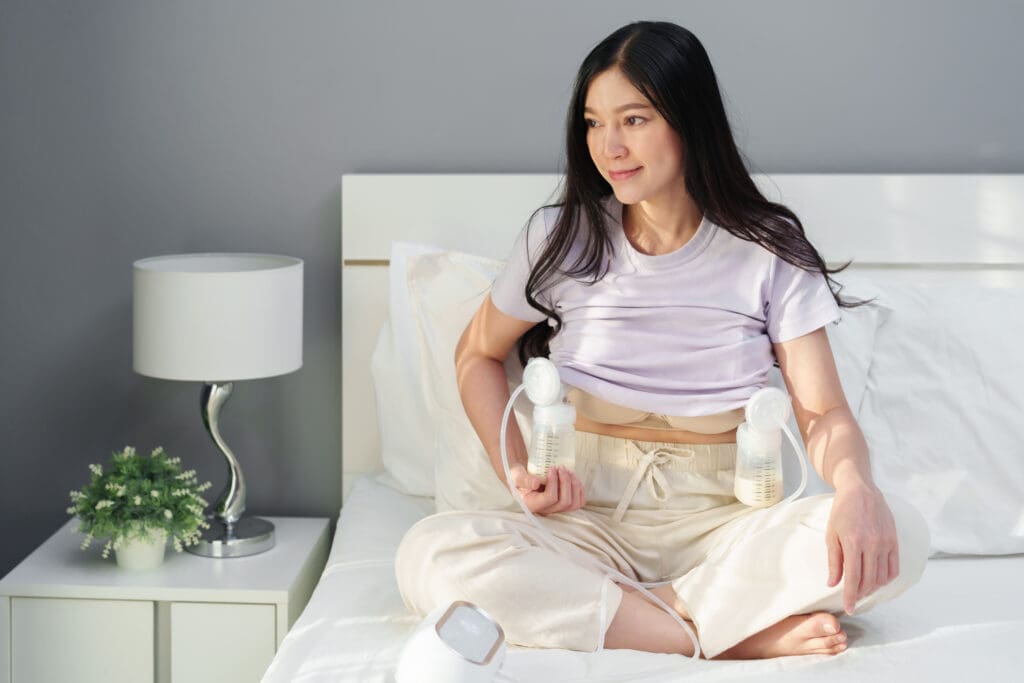







A breast pump allows you to continue feeding your baby breast milk even when you can’t always be there.
Congratulations on breastfeeding! You’ve made a healthy choice with long-term benefits for you and your baby. Once you’ve set a breastfeeding routine, your thoughts may turn to those times when you aren’t able to nurse your baby. You’ll want a reliable breast pump when you return to work, travel, or need to be separated from baby for more than 2-3 hours. Expressing your milk with a pump will keep your breasts from becoming engorged and ensure baby is fed.
So, how do you choose among the wide variety of breast pumps? First, forget the “one size fits all” approach. Recognize you may need different pumps based on how often you pump, how easy it is to use and clean, and how effectively it empties your breasts. Many moms have more than one pump for pumping at work, home, or on the go.
Manual Versus Powered Pumps
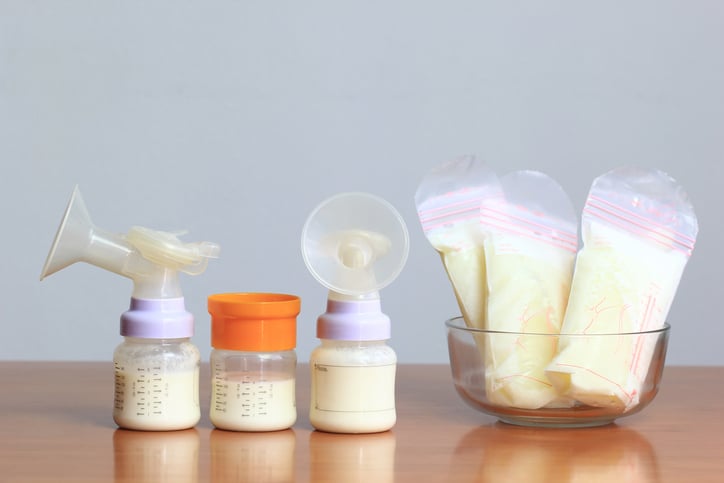
If you only need to pump occasionally, a manual (hand) pump is a good option. It’s portable, affordable, and easy to clean. Use this pump with only one breast at a time; it can give you a quick 2-4 ounces of milk. Many moms keep one in their purse or diaper bag “just in case.” Some hospitals will provide a free manual pump before you leave to go home with your baby.
If you need to pump more frequently, then a battery-powered or electric pump may be best. These pumps are usually lightweight, portable, and don’t require hand pumping. To manage your time, keep a log of your pump sessions so you’re aware of how long it takes to reach your desired ounces of milk. Also consider durability if you’re pumping often because these pumps don’t have the adjustable suction or cycle length like hospital-grade pumps.
Double Electric and Hospital-Grade Pumps
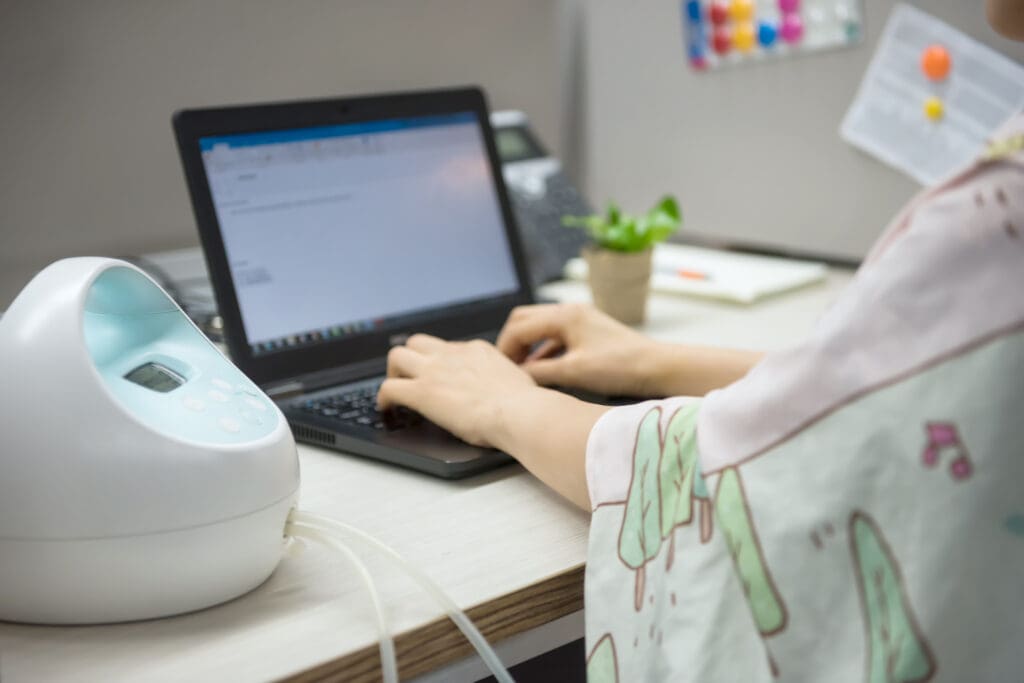
Double electric pumps are best when you return to work, need to pump frequently, and store milk for your baby. After hospital-grade pumps, these are the most durable and customizable. These electric pumps can express milk from both breasts at the same time. They usually have variable cycle lengths and adjustable suctions, that provide maximum comfort. Most models have a battery backup and car adapters. Additionally, they have Smartphone apps for tracking sessions, attractive carrying cases for portability, breast milk cooling packs, storage bags, and make minimal noise.
Hospital-grade electric pumps are available for rent and are great for full-time pumping needs. Check with your hospital’s lactation consultant or a community lactation consultant for more details. When renting a pump, you’ll receive your own accessory kit to ensure no one else has used the pump parts that will come in contact with your breasts and milk.
Hands-Free and Wearable Pumps
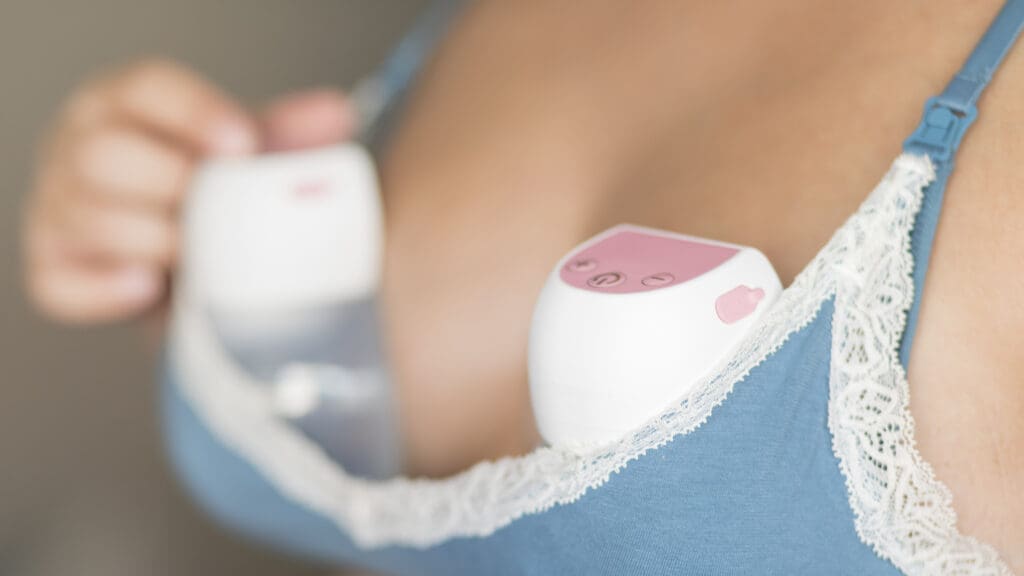
Hands free, wearable breast pumps include those with tubes and a separate pump and those that are portable pumping cups with no additional cords. You wear this type of pump inside your nursing bra, with the flexibility to walk around, prepare meals, and shop in public. The milk collected is in cups, but you’ll want to use caution when moving to avoid spills.
Once you’re finished pumping, simply transfer your milk into a storage bag or bottle and properly store it for later. Then be sure to clean your pump parts and allow them to dry for the next use. Keep in mind some portable pumps don’t have the same strong and effective suction as electric pumps, but many moms find them to be useful secondary pumps.
Buyer (or Renter) Beware
- Order a new pump. Most breast pumps aren’t designed to be used by more than one person; used pumps can harbor bacteria or viruses.
- Don’t borrow or use a previously owned personal-use breast pump—this includes manual and electric pumps.
- Avoid sharing your breast pump—even with someone you know.
- Rent a hospital-grade pump; they’re manufactured differently and are designed to be used by more than one person over the pump’s life.
Insurance
The Affordable Care Act requires most health insurance plans to cover the cost of a breast pump for pregnant moms. Plans also must provide lactation support, counseling, and equipment while you’re breastfeeding. Contact your pregnancy care provider and health insurance company and ask what equipment and breast pumps are covered under your plan (including Medicaid and WIC). Find out if you can receive your pump during pregnancy—then you can clean your device and read through the instructions on how to use it in advance.
Key Breast Pump Features
These are the most common features of a breast pump:
- Double electric that pumps both breasts at once
- Memory from the last pump session
- Hands-free and portable
- Battery backup; plugs into a wall
- Simulates the way a baby nurses at your breast
- Easy to use and clean
- Freezer tote for cool milk storage in a fridge
- Transport bag
- Minimal noise
Dress for Pumping
As you begin to fit into your pre-pregnancy clothes, prioritize nursing-friendly shirts, dresses, and outfits that don’t require undressing to use your pump.