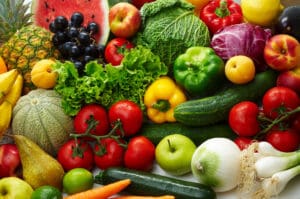








What makes fruit so amazing? How about their distinct taste, shapes, colors, and the many health benefits you receive when you eat them. Most fruits are low in fat, sodium, and calories with the added bonus that they don’t contain cholesterol. Fruits also have essential nutrients that most people don’t get enough of like: Potassium, fiber, vitamin C, and folate.
Read on to learn the benefits of these nutrients, and which fruits contain them.
|
Potassium
Find in: Apricots, bananas, pears, kiwi, and avocados |
Fiber
Find in: Pears, grapes, berries, dried fruit, and pomegranates |
Vitamin C
Find in: Mangoes, avocados, apples, and oranges |
Folate
Find in: Oranges, pears, pomegranates, and guava |
Now, let’s explore even more ways you and your growing baby can benefit from healthy fruits.
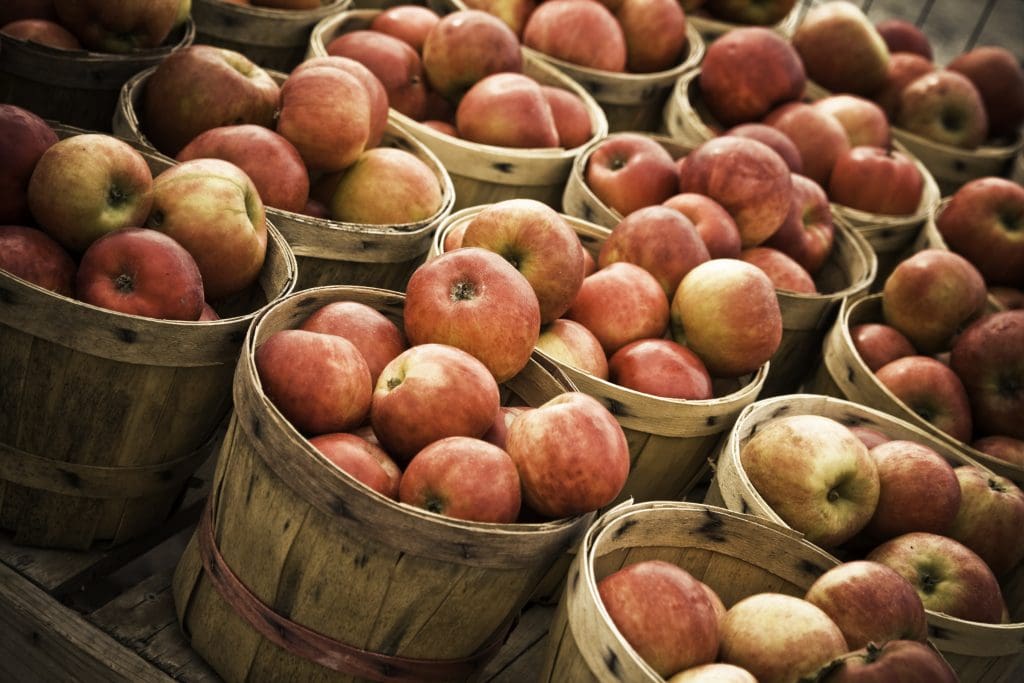
Apples
- Stabilize your blood sugar
- Lower cholesterol
- Reduce blood pressure
- Ease inflammation (body’s response to injury or illness)
- Satisfy hunger
Based on a 2,000-calorie diet, two medium apples can meet your daily goal. Be sure to eat the peel because it contains lots of antioxidants (that protect cells from damage). Apples help with digestion and are 85% water making them a healthy snack to quench your thirst!
Did you know?
- An apple a day can help you live longer by reducing your risk of heart disease and cancer (the two top leading causes of death in the U.S.).
- One apple tree can produce up to 400 apples a year!
- Apples float in water because they’re 25% air.
- There are more than 7,000 different types of apples grown all over the world.
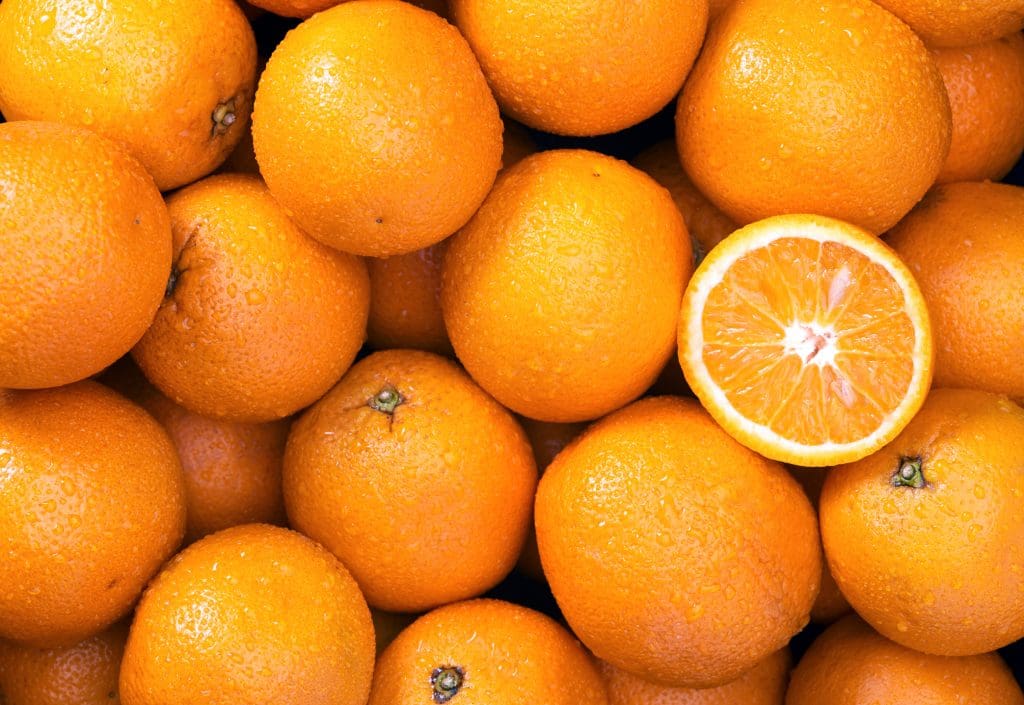
Oranges
- Boost your immune system
- Help with digestion
- Balance gut bacteria
- Prevent anemia (low level of healthy red blood cells to carry oxygen throughout your body)
Eating one orange gives you 90% of the vitamin C you need for the day! Keep your oranges at room temperature and away from direct sunlight for a quick and easy peel if you’re going to eat right away. Citrus fruits have been found in research to help reduce the risk of several types of cancers, including lung, mouth, stomach, head and neck cancers.
Did you know?
- Clementine oranges are most popular in the winter.
- Orange trees were first grown in China.
- Some types of oranges will remain green even after ripening because of the climate in certain countries.
- Orange peel can be reused to remove grease, oil spots, and make orange tea.
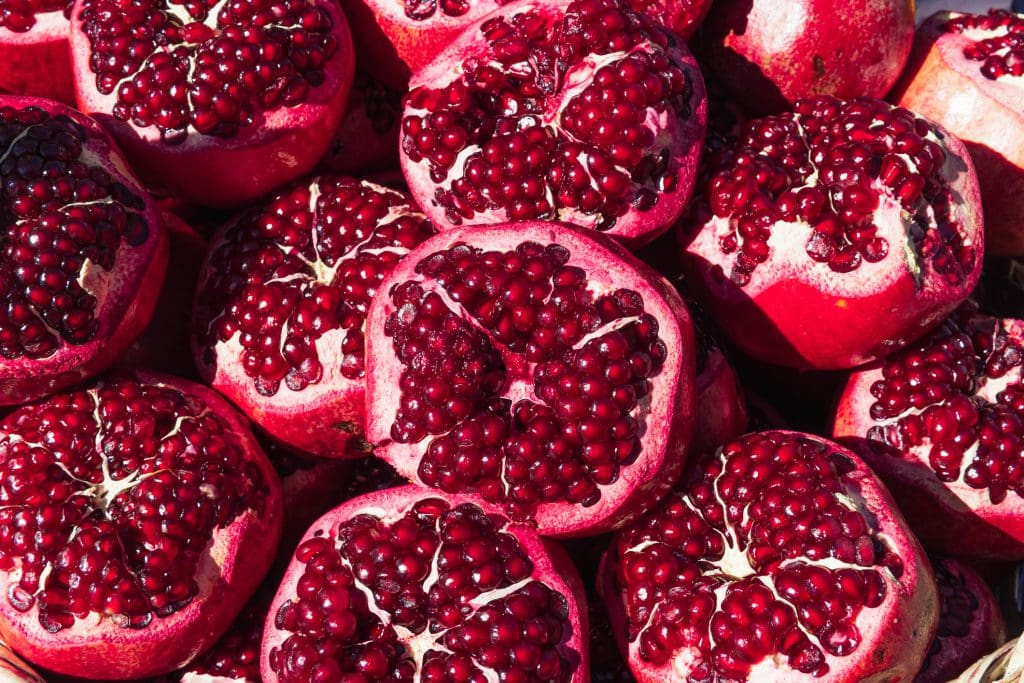
Pomegranates
- Aid with immunity
- Reduce blood pressure
- Improve digestion
- Improve oxygen carrying capacity in blood
Pomegranate is one of the healthiest fruits on earth. It’s called the divine fruit because of how often it’s mentioned in theological books. Pomegranate has antioxidant, antiviral, antitumor, and antimicrobial properties thus assisting in reducing chronic conditions like heart disease, type 2 diabetes, cancer, and tooth decay. It’s also a good source of vitamins A, C, and E, folic acid and helps protect the brain against Alzheimer’s and Parkinson’s disease.
Did you know?
- The word pomegranates means apple with many seeds.
- Pomegranates are native to the Middle East and classified as a superfood.
- They can be stored up to two months in the refrigerator.
- Pomegranates are most popular September to December.
- Pomegranate trees can live for over 200 years.
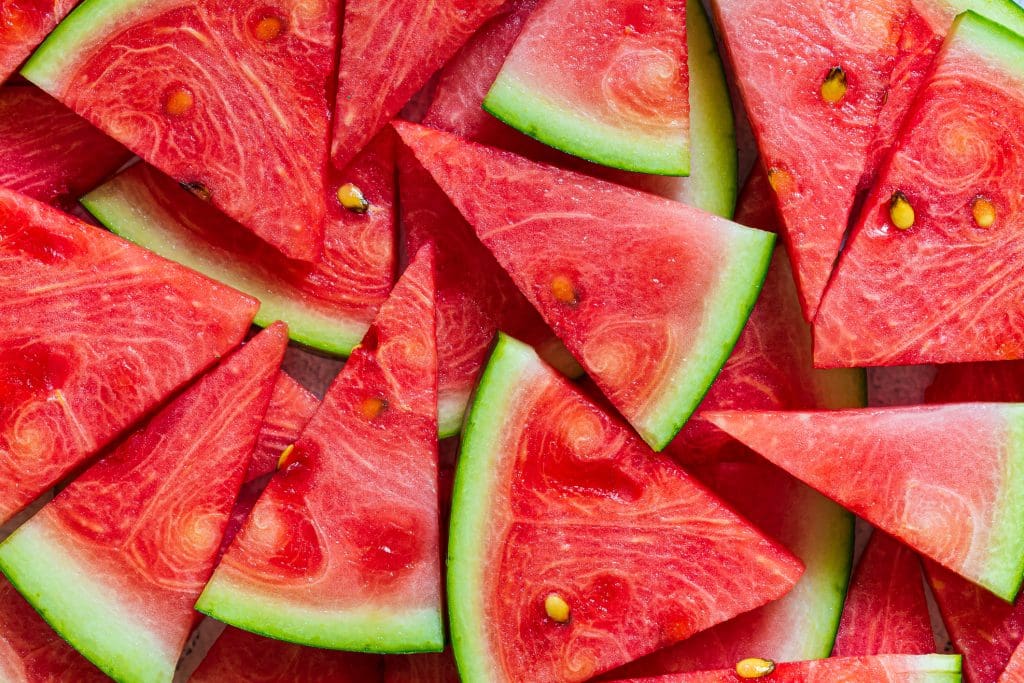
Watermelon
- Increases hydration for your body’s cells
- Helps keep cool in the heat of summer
- May improve exercise performance by reducing muscle soreness
- Contains less sugar than other fruits
Although watermelons can grow to be huge and heavy, you only need about 2 cups based on a 2,000-calorie diet, that’s the size of a medium watermelon wedge. Do you throw out the seeds? Well, they can be eaten raw or dried because they’re rich in magnesium (which helps produce energy, maintain blood pressure, and lower cholesterol), and contain folate. Throw in a little spice on top, add to any salad you’ve prepared, and enjoy!
Did you know?
- Watermelons are 92% water.
- Years ago, explorers used them as water jugs for long journeys.
- Texas, California, Florida and Georgia grow 66% of the watermelons in the U.S.
- Freeze your own yummy watermelon popsicles in the summer for an icy sweet treat.
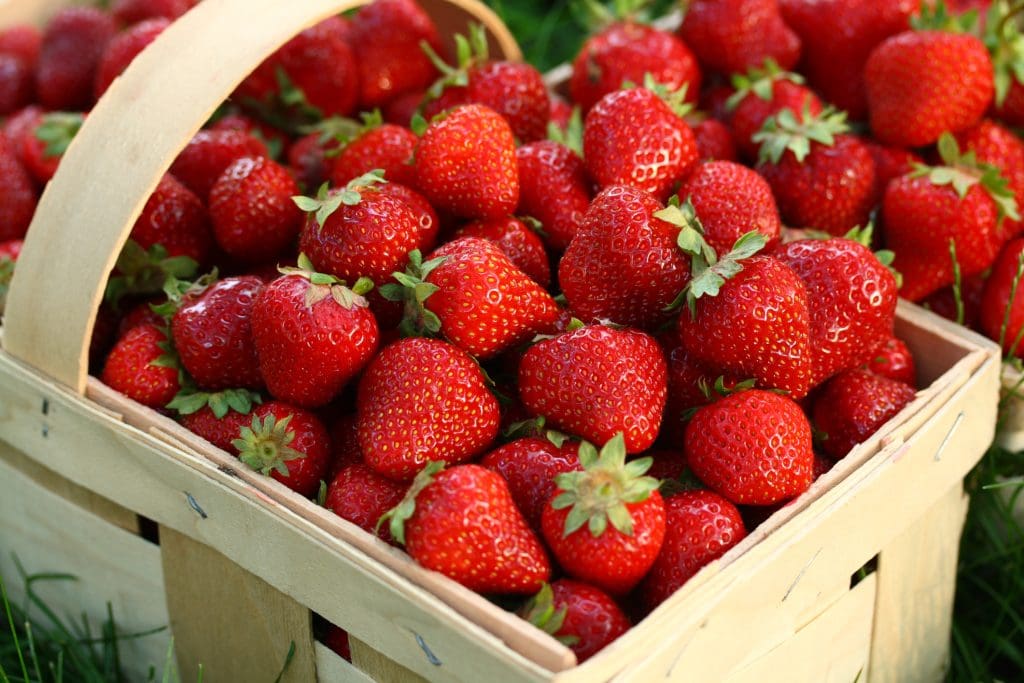
Strawberries
- Boost your memory
- Provide more vitamin C than an orange in one serving (8 berries)
- Lower blood pressure
- Reduce the risk of cancer
Strawberries are a fan favorite across the globe! You can add raw or cooked strawberries to yogurt, oatmeal, salads, and deserts. If you eat 8 large strawberries in one sitting, you’ll have eaten half the recommended dose of fruit for the day! Strawberries are great because they’re easy to pack and eat on the go, and you can mix it up to have them fresh, frozen, preserved, or blended in a smoothie.
Did you know?
- Strawberries were first grown commercially in America starting in the 1800s.
- Approximately 90% of America’s strawberries are produced in California.
- Strawberries are part of the rose family versus a true berry.
- Medium-sized strawberries have about 200 seeds on the outside that are each considered a fruit with a single seed!
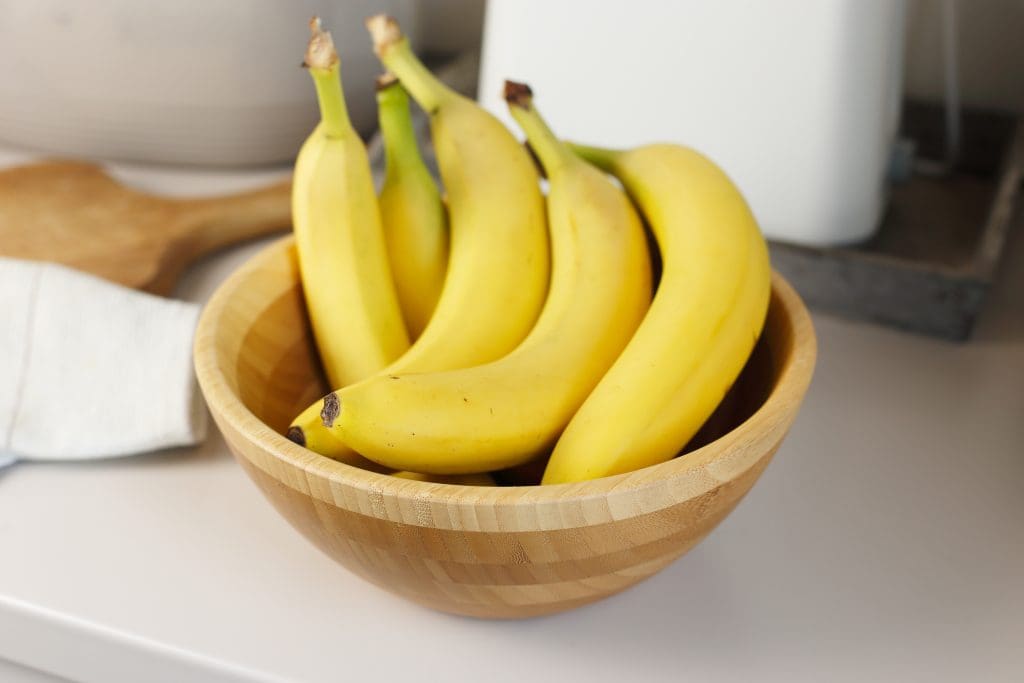
Bananas
- Make you feel full and slow down your appetite
- Resupply electrolytes (minerals needed for fluid balance) lost through sweating
- Help lower your blood pressure
- Improve kidney function
Banana bread, banana pudding, banana muffins, and more! Don’t you just love pulling back that golden yellow peel. Bananas are easy to carry and prepare in many dishes. If you eat one medium-sized ripe banana, you’ll have eaten a good amount of fiber that helps reduce the risk of heart disease, high cholesterol, stroke, and type 2 diabetes. Try one if you’re experiencing heartburn during pregnancy.
Bananas also contain vitamin C, which helps to absorb the iron you and your growing baby need and vitamin B6 which helps metabolism and sleep regulation. This fruit also boosts your immune system’s ability to fight illness.
Did you know?
- Bananas are native to Southeast Asia but now grow around the world.
- They’re easy to digest, nutritious, and often one of the first foods new parents feed their precious babies.
- Bananas technically are a fruit, and a berry based on how they’re grown.
Nutrition Balance and Safe Handling
As you’re adding fruits into your healthy meals, snacks, and drinks, keep in mind that some fruits are higher in sugar and calories than others. Talk with your pregnancy care provider about the type of fruits you enjoy and how much you should eat.
Additionally, some fruits are home grown, and others are grown abroad and shipped into the U.S. Many have been sprayed with fertilizers and pesticides. Fruits may travel a long distance and grocer’s want to ensure you see an attractive variety when you’re making your selection at the store.
Wash your hands with soap and water before and after touching fresh fruits. Then, wash your fruit’s surface in cold water for 15-20 seconds (even if you don’t eat the skin) and cut off any bruised areas. You can use a strainer and rub under running water or scrub with a soft brush and baking soda.
If possible, purchase organic options which may help, but there’s no 100% effective method for removing all pesticide residue.