
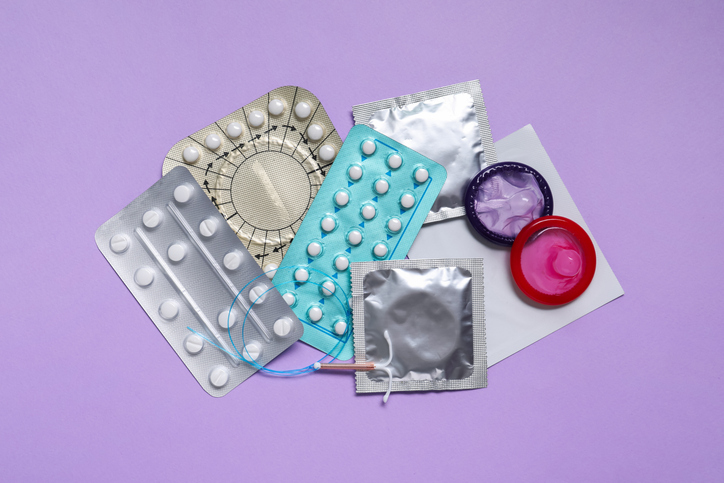







You may be wondering why you should think about birth control while you’re pregnant. There are so many other things to learn about related to birth, breastfeeding, and baby care! Of course, that’s all very important, but so is your future family planning.
- How many children would be in your ideal family?
- How long should you wait after you have your baby to get pregnant again?
- Can you get pregnant during breastfeeding, or in the first few months after baby’s birth?
- How soon after birth can you use birth control?
These are questions to discuss with your pregnancy care provider in your third trimester. There may be birth control options available to you immediately after baby’s birth, so if you wait until your postpartum visit to have this discussion, you may miss that opportunity.
Will You have Another Baby?
Whether you’ve had an easy or challenging pregnancy, at some point soon you’ll have to decide if you want another child, and if so – when? It’s important to know the risks of having another pregnancy too soon. The standard recommendation is to wait 18 months from birth to your next conception. This is considered to be the safest length of time to ensure you and baby are healthy.
Every woman is different, and your pregnancy care provider may recommend a different timeline for more children based factors like your age, health, and any previous pregnancy complications. Having your babies too close together may increase your risk for anemia and preeclampsia and your baby could experience preterm birth or low birth weight.
If you’ve had a cesarean, having another pregnancy too soon may also increase your risk of rupturing your uterus. Therefore, it’s essential that you learn all your birth control options to plan your family and safely space your pregnancies.
Can You Get Pregnant While Breastfeeding or Right After You Give Birth?
This is a common question, and the simple answer is yes! If you’re exclusively breastfeeding, you may not be ovulating, so getting pregnant can be more challenging. However, it’s recommended to not rely solely on breastfeeding to prevent pregnancy as ovulation may occur as early as 4-6 weeks postpartum.
Once you’ve been given the all-clear from your healthcare provider to resume sexual activity, you should consider yourself fertile and highly likely to get pregnant again. This is a great reason to have the conversation about birth control now, so you’ll know what method you’d like to use, breastfeeding or not.
SEE ALSO: How to Find the Best Birth Control Post-Pregnancy
What Birth Control is Safe After Giving Birth?
Most methods of birth control are safe for use right after birth.
- Non-hormonal birth control like the copper IUD and barrier methods such as condoms and diaphragms won’t interfere with lactation.
- Progesterone-only methods like birth control pills that only contain progesterone, progesterone IUDs, the implant, and birth control injection won’t affect breastfeeding.
Ask what time frame for starting birth control is safe for you. Some methods, such as natural family planning or predicting fertile times and avoiding intercourse during those times, may be challenging if you’re not ovulating or menstruating regularly while breastfeeding.
SEE ALSO: Long-term Birth Control Choices
What About Getting Birth Control Before Leaving the Hospital or Birthing Center After I Have My Baby?
Yes, this is possible—and one less thing for you to worry about! However, some insurers may not cover this benefit right after birth. Check with your insurance health plan to ensure you don’t need pre-authorization. Receiving a birth control injection right after birth may be easier to obtain than a long-acting reversible contraception (LARC) such as an IUD or the implant.
In recent years, immediate postpartum insertion of LARC has gained in popularity and availability. This means that after your placenta is delivered, an IUD can be manually inserted into your uterus by your provider. This works if you have a vaginal birth or a cesarean, the implant can be inserted into your arm in the first few hours after birth.
When it comes to having an IUD inserted right away, there’s some concern that it may fall out more easily, versus having it inserted at 6 weeks postpartum. This could be due to your uterus being larger right after you’ve given birth, increased bleeding/lochia that is normal, as well as postpartum uterine cramps. Yet, another reason to check in with your healthcare provider while pregnant to discuss birth control.
Add your birth control questions to your checklist while pregnant. Remember – you have the power to plan your family, and your healthcare provider can help.