








How are you doing mama? You’ve welcomed your little one into the world and likely feel a whirlwind of emotions. It’s easy to put your self-care on the back burner with all the joyful cuddles, frequent feedings, and sleep-deprived nights. In this comprehensive guide, we’ll explore the importance of caring for yourself postpartum with practical self-care tips and suggestions to handle the adjustments and challenges.
The postpartum period, often called the fourth trimester, is the 12 weeks after giving birth. Your body and emotions go through significant changes as you heal from birthing. It may seem impossible with a newborn to care for, but this is also the time to prioritize taking care of yourself. Allow yourself time to recover, look for any signs of complications, and focus on your physical and emotional well-being.
Physical Recovery Postpartum
Your body has just accomplished a miraculous feat, and it needs time to heal. Be gentle with yourself and listen to your body’s cues. Remember to:
- Rest as much as possible. Sleep when your baby sleeps.
- Ask your partner, family, or friends to watch your baby when you shower.
- Stay hydrated and eat small nutritious meals throughout the day.
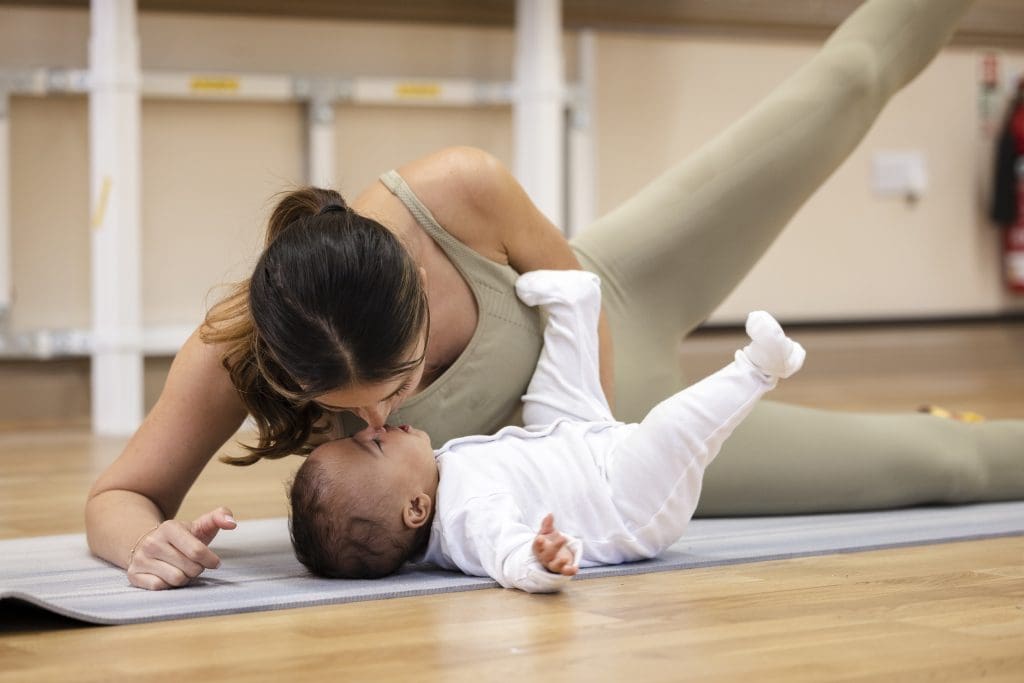
- Practice gentle exercises once cleared by your pregnancy care provider. Start with light walks to gradually regain strength.
- Breastfeed your baby to burn between 800-900 calories a day.
- Have a loved one take you to postpartum check-ups with your provider. List your questions so you can discuss any concerns.
- Tell each healthcare provider you see the date of when you gave birth to help them better understand any other conditions you’re experiencing (e.g., dentist, dermatologist, chiropractor, therapist).
Emotional Wellbeing Postpartum
It’s normal to feel a rollercoaster of emotions, from joy and love to loss of control and sadness. As you tend to your mental health, remember to:
- Connect with your support system. Lean on your partner, family, and friends for emotional support and practical help.
- Seek professional help if you’re struggling with feelings of anxiety, depression, have hallucinations, or thoughts of hurting yourself or your baby.
- Find moments alone to take a relaxing shower, read a book, listen to music, or simply sit and breathe in and out deeply to reduce stress.
Practical Postpartum Tips
In addition to focusing on your physical recovery and emotional well-being, there are practical tips and strategies that can help you navigate through the fourth trimester.
1. Create a Support Plan
Build a strong support system (partner, family, and friends) that follow a plan to help you rest, eat, take care of your hygiene, and exercise, as you slowly shape your days as the mom of a newborn.
2. Prioritize Sleep
Nap when your baby naps, keep the baby’s bassinet or crib in your bedroom to reduce long hallway walks, especially at night. Create a relaxing bedtime routine. Sleep deprivation is common in the early days of motherhood, getting adequate rest is essential.
3. Practice Mindfulness
Schedule time for mindfulness, such as deep breathing, meditation, or yoga. Do things that bring you peace and make you feel renewed to decrease feeling overwhelmed.
4. Nourish Your Body
Eat small healthy meals, easy-to-eat snacks like fresh fruit, and stay hydrated every day. Accept help from family and friends when they offer to prepare meals in advance and consider a meal delivery service or meal train to fill in the gaps.
5. Stay Active
Ask your pregnancy care provider when you can begin gentle exercise like simple stretching or yoga. Movement like walking can improve your blood circulation, strengthen your muscles, and boost your mood.

6. Seek Help
Keep a list of symptoms you feel that aren’t getting better such as pain, fever, heavy bleeding, and/or sadness that lasts past the first 2-3 weeks after giving birth. Call your pregnancy care provider to ask for advice with these issues. Keep calling until you are heard, and your concerns are being addressed. It’s ok to ask for help because it takes a village to raise a child and to care for their mother.
You are important, mama. You matter. Start this new season of motherhood with confidence by taking care of yourself. Your baby needs you to be healthy and whole. Embrace these postpartum care tips, be patient with yourself, and give yourself grace as you recover and thrive during this transformative period.
Remember, there’s help just a phone call away when you’re feeling burned out and have a fussy, crying baby who isn’t sleeping well:
National Maternal Mental Health Hotline
1-833-TLC-MAMA (1-833-852-6262)
Offers free, confidential, 24/7 mental health support for moms and their families before, during, and after pregnancy. Counselors speak English, Spanish, and interpreters are available for 60 other languages.
Postpartum Support International (PSI)
PSI offers support, education, and resources for women experiencing perinatal mood and anxiety disorders. They provide a helpline, online support groups, and local resources to help birthing people manage the emotional challenges of the postpartum period.
La Leche League International
La Leche League offers valuable information, support, and guidance for those who are breastfeeding. They have local groups, online forums, and resources to help with breastfeeding challenges and concerns during the fourth trimester.
Postpartum Doula Services
Hire a postpartum doula. Doulas offer emotional support, assistance with breastfeeding, newborn care tips, and can manage some household needs during the early days with your new baby.
Online Communities and Parenting Forums
Join an online community and/or parenting forum. This can be a great way to connect with other new parents going through similar experiences to ask questions and share advice.
Postpartum Exercise Programs
Stay active during the fourth trimester. Look for postpartum exercise programs made for new moms, such as postnatal yoga classes, mommy-and-me fitness groups, or online workout videos tailored to postpartum recovery.