







Breastfeeding is a rewarding bonding experience that offers your baby the best start in life. Your milk provides the best nutrients in perfect proportions for your baby. However, hiccups (literally and figuratively) can arise at any time as you strive for breastfeeding success.
Whether you’re a mom returning to work, or busy running the day-to-day operations at home, you may have moments when you need to store your “liquid gold” for baby. Properly storing your breast milk is crucial to maintaining your milk’s quality and safety and ensuring your baby receives the best nutrients and antibodies essential for their growth.
Breast Milk Storage Matters
When milk is stored correctly, you preserve its quality and safeguard it from spoiling and growing harmful bacteria. This is essential for your baby’s health, ensuring your little one gets the best nutrition, especially when you’re not able to nurse.
How to Store Your Breast Milk
Make Hand Hygiene Your Best Friend
Wash your hands thoroughly before you begin expressing milk. Sterilize all your pumping equipment to keep everything as clean as possible. Clean the surfaces that any pump supplies will touch.
Choose the Right Containers
Store milk in small quantities, such as 2 ounces at a time, in easy to pack and thaw containers designed for breast milk storage. Use containers that are bisphenol A free (BPA-free). BPA is a chemical compound found in plastic that can leak from the product into food and drinks. This is more likely to happen when the plastic is exposed to high temperatures or multiple uses. Continued exposure to BPA may cause health problems and should be avoided.
Label, Date, Repeat
Label your breast milk containers with the date and time the milk was expressed. This helps you manage your supply by using the oldest milk first, preventing waste, and ensuring your baby always gets the freshest milk possible.
Cooling and Freezing
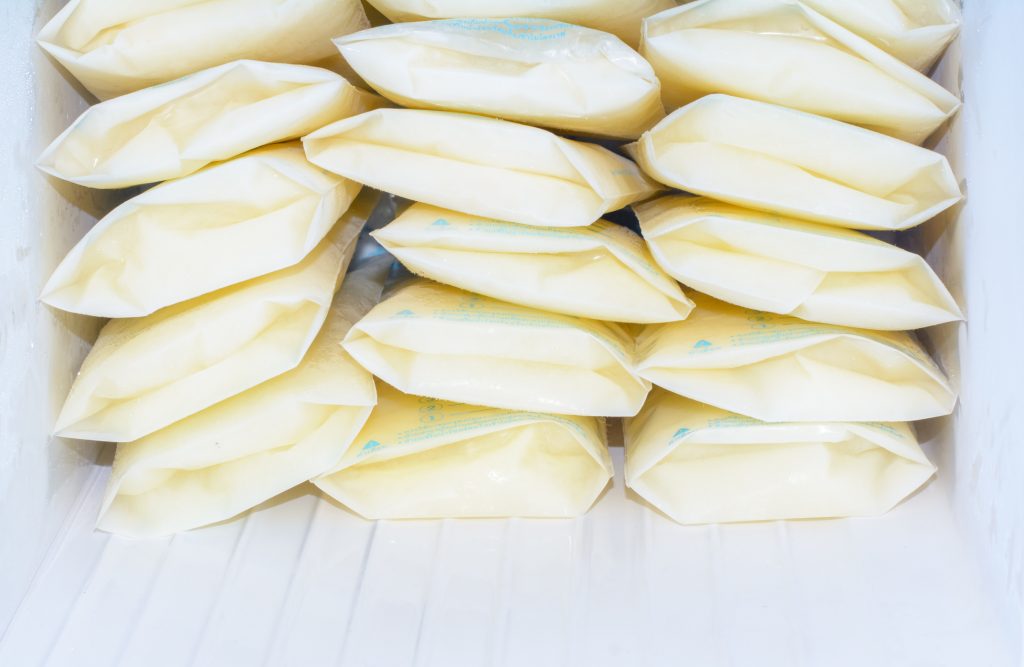
Freshly expressed breast milk can be safely stored in your refrigerator for up to 4 days and in your freezer for up to 6 months. For deep freezers, it can last up to 12 months, though the milk may lose some of its nutrients past the 6-month mark.
Best Practices for Thawing and Using Stored Breast Milk
Thaw Gradually
For best results, thaw frozen breast milk in the refrigerator. When you’re thawing breast milk in the refrigerator, aim for the fridge’s temperature, typically between 34°F (1°C) and 39°F (4°C). This method helps preserve the milk’s vital nutrients and ensures its safety for your baby.
Avoid Microwaves
Don’t heat breast milk in a microwave as it can create hot spots and destroy valuable nutrients. To preserve the milk’s quality, warm it by placing the container in a bowl of warm water. The water should be warm but not hot, ideally around 98.6°F (37°C), which is body temperature. Place the sealed container or bag of breast milk in the bowl and gently swirl it to evenly warm the milk. Always test the milk’s temperature before feeding to ensure it isn’t too hot for your baby.
Gently Mix the Milk
When breast milk sits, it often separates into layers, with the rich, fatty cream rising to the top. Swirl the milk gently to mix the separated layers before feeding it to your baby; this ensures the milk is smooth and even.
Mixing these layers back together doesn’t harm the delicate proteins and fats that are essential for your baby’s health. Stirring the milk can introduce air bubbles and disrupt these delicate components; it’s best to not stir baby’s milk.
Hiccups While Breastfeeding
Now that you’ve pumped and stored your milk for your baby, you may encounter some common challenges:
Baby Refuses Your Thawed Milk
Some babies will refuse thawed milk. This can be frustrating, especially if you’ve worked hard to build up your milk supply.
Potential solution: Try mixing your thawed milk with a bit of freshly expressed milk to improve the taste. Sometimes, this slight change makes your milk more appealing to your baby.
Check that both batches are cooled to the same temperature before mixing to avoid partial thawing or spoiling. Additionally, ensure that your milk is gently warmed to a temperature like your body, as babies tend to prefer milk that’s neither too cold nor too warm.
Milk Mishaps
Storage containers may leak. This can lead to wasted milk and frustration. Try storing your milk bags upright in the freezer, with the date pumped visible, to make it easier for you to stay organized and prevent leaks.