
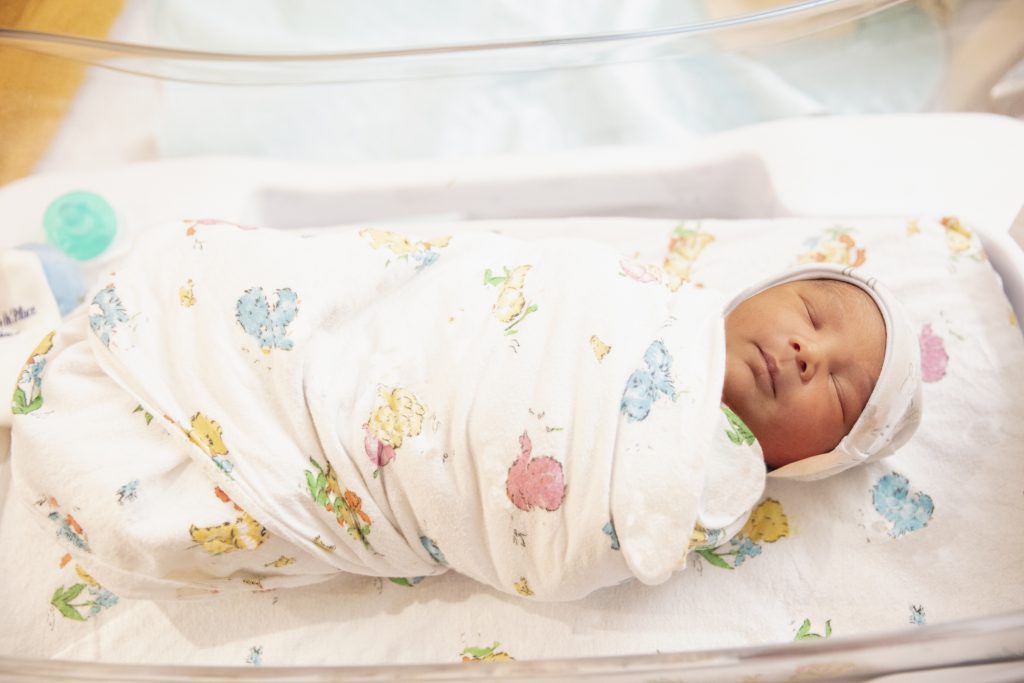







Don’t you just love those calm images of babies wrapped up, cuddly and cute, in their newborn photos? Similar to how a person experiencing anxiety benefits from a weighted blanket, your new baby can receive many benefits from being swaddled, especially in their first days of life.
From Womb to Swaddle
Swaddling, wrapping your baby snugly in a blanket, dates back thousands of years and has been used across many cultures with different types of cloth and techniques. As knowledge of how to care for babies has advanced, more information on swaddling is now available.
When you’re pregnant, your baby only knows the safety inside of your uterus as their home. It’s a dark, limited space (even when stretched to the size of a watermelon). Once born, baby is forced into a new world. This transition is overwhelming because of bright lights, cold air, and confusing sounds. You can mimic the familiar warmth and security of your womb by swaddling your baby.
Swaddle to Reduce Reflexes and Scratches
When your baby is born, they’ll have a number of reflexes that are preprogrammed into their brain.
The Moro reflex can wake your baby when they’re sleeping and cause their arms and legs to suddenly fly open. This startle reflex causes your baby to jump in fear when they hear a noise while sleeping, and it prevents them from going into deeper sleep. Your baby may also scratch their face with their sharp little nails because of their lack of control over their movements.
Swaddling can keep your baby’s arms from flailing, allow them to sleep longer and prevent accidental scratches.
Swaddle to Keep Baby Back to Sleep
When performed correctly, the swaddle can be used in combination with other safe sleep practices to reduce the risk of Sudden Infant Death Syndrome (SIDS). Wrapping baby can keep them warm without overheating them and help them stay asleep firmly on their back.
Swaddle Concerns
Three concerns when swaddling your baby are
- Baby could suffocate if the cloth used for the swaddle comes loose or if baby is swaddled and laid on their side or belly. In these cases, your baby can’t move to rescue themself, and their risk of suffocation increases significantly, especially if multiple blankets are used for the swaddle.
- Baby could develop hip dysplasia (when the hip joint doesn’t form properly) if the swaddle is too tight and their arms and legs are completely straight with their knees are touching. This mummy-like technique may place excessive outward pressure on the hip joints and can cause the hips to come out of place.
- Swaddling is a barrier between you and your baby—limit baby’s time in the swaddle to when they’re sleeping. When baby is nursing, skin-to-skin contact promotes bonding by helping you learn baby’s cues.
How to Safely Swaddle Your Baby
- Choose a swaddle blanket material that will not come loose, and select a size that is 40×40 inches or 44×44 inches
- Dress baby in light clothing that will keep them from overheating
- Spread the blanket flat in the shape of a diamond with 4 corners
- Fold one corner down to make a triangle shape: Use a small triangle if your baby is large and a large triangle if your baby is small
- Lay your baby down in the center of the triangle with their head above the swaddle fold and their shoulders below the fold
- Slightly bend one of your baby’s arms at their elbow and place this arm flat against their body
- Take the swaddle corner on that same side and bring across your baby’s chest; tuck it under their body and make sure it’s secure
- Bring the bottom of the swaddle up and cover baby’s feet, then tuck the material underneath baby, leaving room for baby’s feet to move
- Bend baby’s remaining arm as you did the other and repeat steps 6 and 7
- Wrap any excess from the blanket underneath your baby—this should secure the swaddle
- Ensure the swaddle is not too tight around baby’s chest
When your baby is first born, the nurses at the hospital or birth center will teach you how to properly swaddle your baby. Practice often within the first 2–3 days to increase your confidence in swaddling your baby once you take them home. If possible, join a class offered by your birthing facility that teaches you how to care for your newborn within the first few weeks. Swaddling is likely a topic that’s included.
When Swaddling is Not Appropriate
It’s important to know when the time has come to stop swaddling your baby. Your baby shouldn’t be swaddled when they’re awake, when engaged in play activities, or when placed in a swing or baby seat with safety belts. Once your baby shows signs of rolling from their back onto their stomach, it’s time to stop swaddling. Having their arms tucked next to their body could trap baby on their stomach unintentionally.
Wearable Blankets and Sleep Sacks
There are many options on the retail market for wearable blankets and sleep sacks that you can use once you’ve stopped using the swaddle. These products usually have some type of fastener that helps to keep them from opening and becoming loose, so baby remains warm and secure. They also grow with baby and allow their arms to be left out and their legs to move freely.
Always discuss concerns about swaddling your baby, or any other sleep related issue, with your baby’s pediatric care provider.
YOU MAY ALSO LIKE: The Golden Hour – Your Prize After Birth