
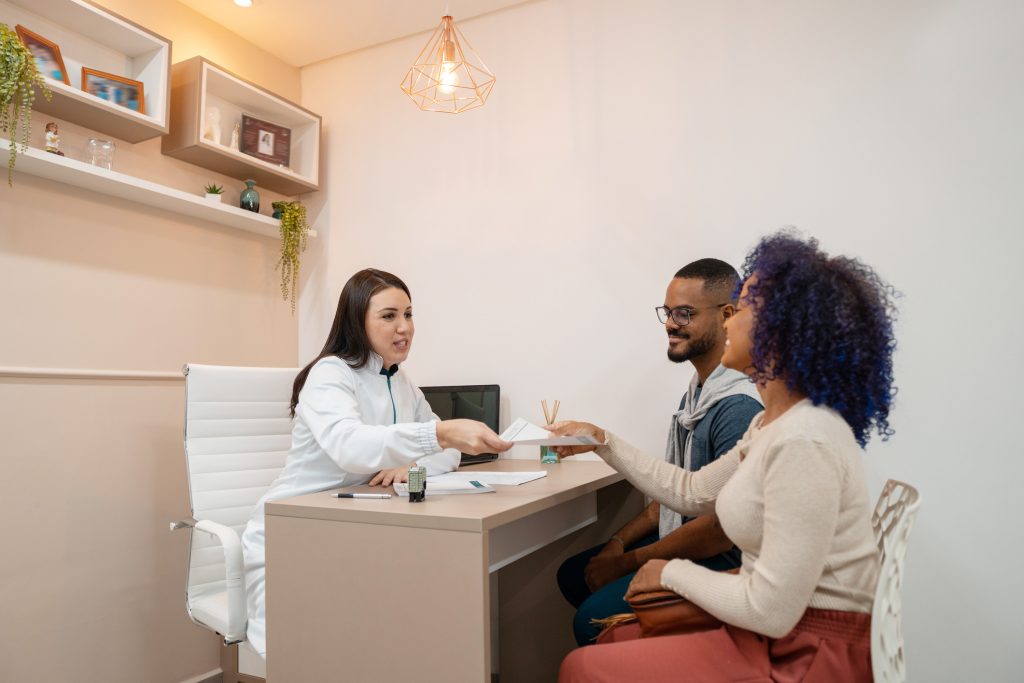







Are you thinking about starting a family or planning to have a baby in the near future? If so, preconception counseling is an important step to prepare your mind and body for a healthy pregnancy and baby. Imagine you’re in a video game and starting at the bottom level—you’ll climb through multiple paths before accomplishing your final goal. Isn’t it easier to win when you know the rules and what do to in advance? This is how preconception counseling can benefit you.
What is Preconception Counseling?
Preconception counseling is an individualized session with your health care provider to help you make informed decisions while preparing for pregnancy. This counseling will focus on your health history and lifestyle factors that can affect your pregnancy outcomes. The purpose is to make a plan to improve your health.
Why is Preconception Counseling Important?
Identify and Reduce Risks
To start, your provider will ask you questions about your health. You’ll discuss if you have any existing medical conditions (like diabetes), ways that you cope with mental and emotional stress, types of medications you take, physical activities you participate in (like light exercise or sports), and if you drink alcohol, smoke tobacco, or use any recreational drugs. This is a nonjudgmental assessment to just find out where you are in your life.
Next, you’ll go in-depth about the potential risk factors that could affect your pregnancy. Factors such as your age, weight, past pregnancy history, chronic or autoimmune conditions (like high blood pressure or lupus), exposure to sexually transmitted infections, and use of alcohol, tobacco, and drugs can increase your chances of pregnancy complications. By addressing these issues before the positive pregnancy test, you can take steps to reduce your risks.
Improve Your Health
Improve your fertility by eating foods rich in fiber, healthy fat, lean protein, vitamins, and minerals. Increase the amount of water you drink—this will keep you hydrated and nourished. Limit excess salt, added sugar, and processed foods. Be honest with your provider and allow them to help you decide on the right balance of healthy steps that will support your daily habits.
Welcome Genetic Counseling
If you or your partner has a family history of genetic disorders or specific concerns about your hereditary conditions, like Down syndrome, cystic fibrosis, or sickle cell disease, preconception counseling can include genetic testing. The results can inform you about your baby’s potential genetic risk, giving you the knowledge you need to decide if getting pregnant is a good choice for you. You can follow up with your health care provider about additional options, such as insemination or surrogacy.
Address Mental and Emotional Concerns
Planning for pregnancy can be stressful, and an increase in stress hormones can cause difficulty when you’re trying to get pregnant. Preconception counseling can make you feel safe and supported. Discuss any emotional concerns, anxieties, or mental health conditions that you’re experiencing with your health care provider. They can refer you to community support groups or therapists, and offer medication if it’s right for you.
Create a Personalized Plan
You have unique needs, and your path to pregnancy may involve more personalized care than your family or friends. Preconception counseling allows you to connect with your partner and provider and make shared decisions. This individualized approach can help you set achievable goals for expanding your family.
Consider These 10 Tips to Better Your Health
- Schedule a preconception counseling appointment with your health care provider to discuss your intent to become pregnant.
- Eat a well-balanced diet, rich in fruits, vegetables, whole grains, lean proteins, and dairy products, to ensure you are getting essential nutrients, like folic acid, iron, and calcium.
- Start taking prenatal vitamins at least 1 month before you try to get pregnant, so you have enough key nutrients to support a healthy pregnancy.
- Stay active by engaging in regular physical activity to maintain a healthy weight, reduce stress, and improve overall well-being. Talk to your health care provider about safe exercise options during preconception and pregnancy.
- Manage any chronic health conditions, such as diabetes or high blood pressure, with treatment prescribed by your health care provider.
- Quit smoking, avoid alcohol, attend rehab to stop drug use, and limit caffeine to reduce your risk of pregnancy complications and promote a healthy environment (your womb) for your future baby.
- Learn about all necessary vaccinations before becoming pregnant. Make appointments to get these shots that can protect you and your baby.
- Review medications you’re taking with your health care provider to determine if adjustments are needed to ensure a safe pregnancy.
- Practice stress-reducing techniques such as mindfulness, meditation, yoga, or any activities that help you relax and unwind, to support your mental health during the preconception period.
- Talk openly with your partner about your desire to become pregnant, your expectations for their support, and even financial concerns to make sure you’re both on the same page.
Preconception counseling is a valuable resource as you plan to start a family. Following these tips can increase your chances of having a healthy pregnancy and welcoming a happy, healthy baby into your life.
YOU MAY ALSO LIKE: Not On My Watch: Avoiding Environmental Toxins in Foods & Supplements