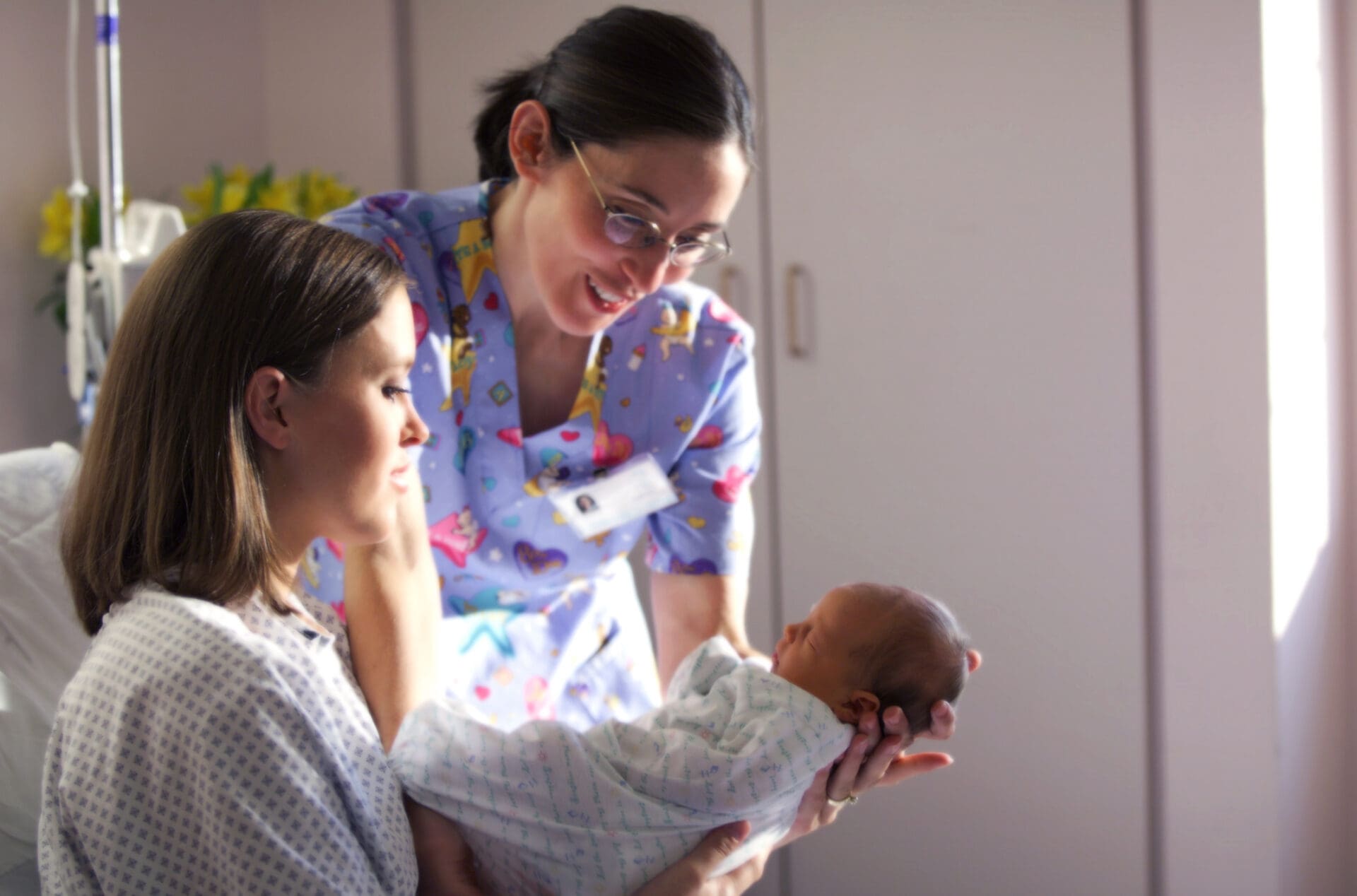








As you and your partner welcome a new baby, your parents experience an identity shift as they become grandparents. Usually, this transition is joyous and filled with love because grandparents have fewer demands than you do as the new parent. However, times can get stressful, and finding the right balance of what you need and how much they want to give is definitely worth several conversations.
Expectations for Grandparents During Pregnancy
Do you recall how your parents reacted when you first shared the news that you’re expecting a baby? Sometimes, just the announcement of a new family member can trigger significant emotions. These may result from how your parents imagined themselves in the grandparent role, and now that role is becoming a reality.
It’s helpful to sit down with or call your parents and discuss what you and your partner expect from them while you’re pregnant and how involved you want them to be when you give birth. Key conversations include
- Does your family have important cultural practices that you want to observe?
- How often will your parents visit to help you prepare for welcoming baby?
- Will your parents support you financially in purchasing any of baby’s big-ticket items (like a crib, stroller or car seat)?
- Can they enroll in a grandparent’s class at a local community center?
- Are you open to having your parents (mother and mother-in-law in particular) with you during labor and birth?
Grandparent’s Role in Caring For Your Newborn
Once baby arrives, your parents’ excitement may be through the roof! Depending on how close they live, your parents can support you and baby physically, emotionally and mentally. Here’s how:
- Calling or texting other relatives to share the good news of baby’s arrival—this may reduce the number of people you have to contact
- Taking time off from their job to stay with you for a few days or a few weeks
- Getting the Tdap vaccine to protect baby from whooping cough (pertussis)
- Washing baby’s newborn clothes and helping you organize them in the nursery
- Going grocery shopping to stock the pantry
- Cooking and freezing meals or preparing snacks for you
- Caring for baby while you nap or shower
- Changing baby’s diaper or playing with them during tummy time to give you a quick break
- Making special memento gifts and keepsakes for baby
- Reading to baby or spending time bonding with them
- Keeping any older children busy with activities, play time, or quick, fun trips away from home
- Talking with you about your experience during pregnancy and labor
- Checking in to ensure you’re adjusting well to new parenthood
Communicate Your Decisions
You can minimize uncomfortable conversations with your parents by discussing with them how you want to parent. For example, tell them if you want your baby to only receive breast milk and no formula. Or if you choose not to use a pacifier, and one of your parents becomes frustrated with baby’s cries, ask them to give you space to learn how to respond to baby’s cues.
One boundary you may want to establish early on: If one of the grandparents becomes ill, they should avoid visiting until they are better. Additionally, it may be helpful to tell your parents that their encouragement is important to you and builds your confidence in knowing that you’re a good parent.
ABCs of Safe Sleep
Recommendations from the American Academy of Pediatrics are updated every few years, so these guidelines may be different from what your parents were taught. Be sure that your parents know how important it is for them to follow the sleep practices that’ll keep your baby safe.
A—Alone: Baby should sleep alone in their own bassinet or crib, located in the same room as your bed for at least the first 6 months of life. No crib bumpers, toys, stuffed animals or blankets should be inside their sleep area.
B—Back: Baby should be placed on their back each time they’re laid down to rest—for naps and overnight. Let your parents know there aren’t any exceptions for laying baby on their side or belly and that these positions increase their risk for Sudden Infant Death Syndrome (SIDS).
C—Crib: Infants should be sleeping or resting in their bassinet, crib or pack ’n play with a firm surface and fitted sheet. Baby can wear sleep ’n plays or a sleep sack to stay warm because blankets are a suffocation hazard.
Settling into the Grandparent Role
If your parents live further away or you’ve made it through the fourth trimester (first 12 weeks after giving birth), consider how your parents can stay involved in your new baby’s life:
- Scheduling weekly video calls
- Writing letters or sending books
- Organizing annual holiday or vacation trips
- Building baby’s savings account or college fund
Grandparents are an amazing family resource, as they provide history, culture and tradition. Work together, so the transition period is less stressful. Open, positive communication and respect are important to setting and maintaininghealthy boundaries. Enjoy this period of exciting change as a family and create memories to share with future generations.
YOU MAY ALSO LIKE: Keeping Baby Safe from the Start