






Environmental toxins are substances that can cause harm to people, animals, plants, and the environment. They can be human-made chemicals or occur naturally and are found in air, water, soil, food, and everyday products that you use. Read below to discover how toxins can affect your health and what you can do while pregnant to protect yourself and your baby.
Air Toxins
Significant research and data reveal that our air widely contains toxins, like benzene, formaldehyde, and asbestos. These hazardous air pollutants are known to cause cancer, birth defects, reduced fertility, and other serious health issues in humans. You’re likely breathing in some toxic air pollutants wherever you live. You may also encounter these toxins when you drink them in water or eat them in fish.
Heavy Metals
Heavy metals are natural elements like lead, mercury, arsenic, and cadmium. They can contaminate your water, soil, and food. Your exposure to heavy metals can have negative effects on you and your baby. Poisoning from heavy metals can cause anxiety and depression, delays in brain development, and ADHD. If your baby is exposed to arsenic while you’re pregnant through foods you eat, it could affect how well their immune system develops.
Microplastics
In 2024, researchers at the University of New Mexico Department of Pharmaceutical Sciences and their partners reported that microplastics are in almost everything we eat and drink. They’ve been using a new tool to measure how much microplastic is in the placenta, the organ that develops when you first become pregnant and supports your baby’s growth until they’re born. The substance most commonly found during the study was polyethylene, which is used to make plastic bags and bottles.
Phthalates
Phthalates—synthetic chemicals widely used to increase the flexibility of plastics—are harmful in high concentrations in indoor dust. Exposure to phthalates during pregnancy can lead to preeclampsia, problems with your baby’s growth, and other problems during pregnancy.
Toxins & Preeclampsia
You might ask, “What is preeclampsia, and why the concern about environmental toxins?” Well, air pollution, chemicals used to make non-stick cookware, and cleaning products can cause problems with your placenta. Heavy metal exposure can contribute to chronic conditions like high blood pressure.
Preeclampsia is a serious pregnancy condition that occurs in about 3-4% of pregnancies. In those affected, it usually develops after 20 weeks of pregnancy and can affect multiple organs.
Potential Risk Factors
- First pregnancy
- Age 35 or older
- Invitro fertilization
- Multiple babies (twins, triplets, etc.)
- High blood pressure
- Exposure to toxins
Signs & Symptoms of Preeclampsia
- Swelling in your hands or face
- Headache that does not go away
- High blood pressure
- Visual changes, blurred vision, seeing spots
- Protein in your urine
Preeclampsia Can Lead to
- Problems with your baby’s growth
- Preterm birth
- Placenta separating from your uterus
- Hemolysis, elevated liver enzymes, and low platelet count (HELLP syndrome), a life-threatening condition that affects the blood and liver
- Seizures
Decrease Your Exposure to Environmental Toxins
- Check the air quality every day; stay indoors when the toxin level is high
- Use air purifiers with HEPA filters; change them regularly
- Commute to work on routes with fewer people
- Alternate your transportation for short distances; if possible, walk instead of driving
- Avoid drinking water from plastic bottles; instead, use a glass or a reusable bottle made of stainless steel
- Consider using a water filter on your faucets to remove microplastics
- Broil, grill, or bake fish on a rack; allowing fat to drip away
- Eat a variety of seafood with low or no mercury (e.g., salmon, shrimp, oysters, tilapia)
- Don’t eat large fish such as shark, swordfish, halibut, sea bass, and marlin
- Skip food additives like high fructose corn syrup and refined vegetable oils
- Microwave your food in glass, and don’t use plastic containers to store food
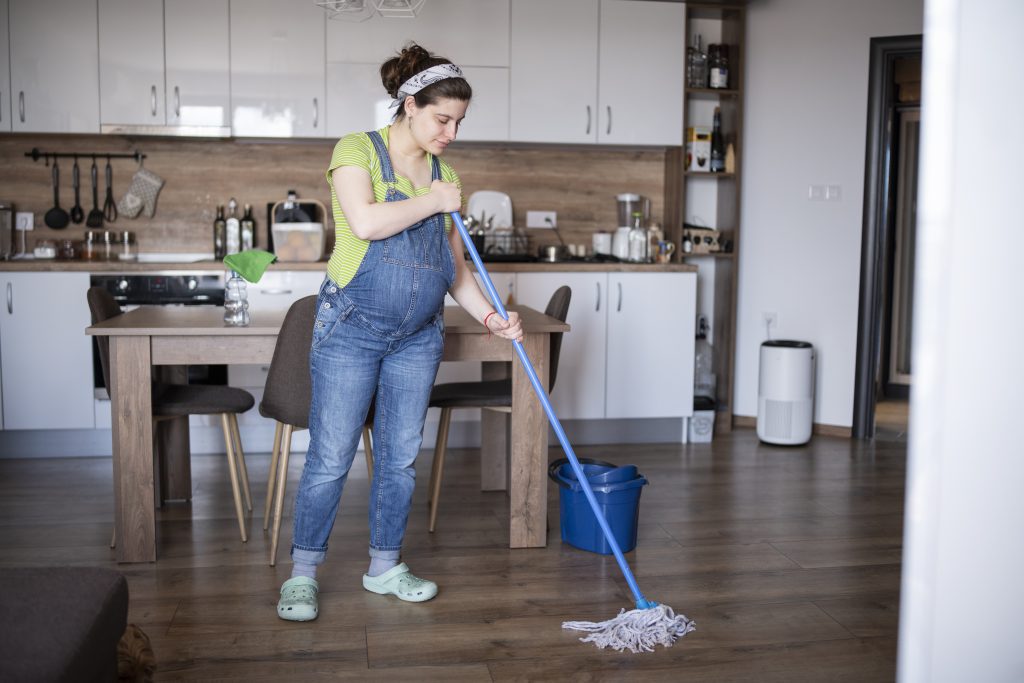
- Wet a mop instead of sweeping or vacuuming and use microfiber cloths to clean inside your home
- Use glass bottles instead of plastic when feeding your baby
- Inspect your home to look for any mold issues
- Purchase non-toxic personal care products and cleaning supplies; use those that are fragrance-free
Lower Your Risk of Developing Preeclampsia
- If you think you might be at risk, talk to your pregnancy care provider about your concerns
- Ask if taking a low-dose aspirin is right for you
- Eat healthy foods, snacks, and drinks
- Move your body (for example, walking) at least four times per week for 20 minutes
Public health efforts will continue to raise awareness about environmental toxins, nutrition, and supplement safety. AWHONN and Healthy Mom&Baby are committed to being a part of the solution.
YOU MAY ALSO LIKE: Is it Safe to Use Cannabis Products During Pregnancy?