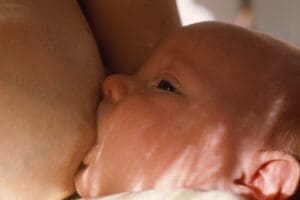








What happens when you’ve decided to nurse your baby and need an antibiotic, cough syrup, or something to fend off that fever? And what about medications that you take daily, such as antidepressants or allergy meds?
The good news: In most cases, you don’t have to choose between caring for your own health and continuing to nurse. You just need accurate, up-to-date information, and know where to find it.
Did You Take the Medication in Pregnancy?
A helpful rule is that if a medication was safe for you during pregnancy, it’s usually safe during breastfeeding.
Why? During pregnancy, medications cross the placenta directly into the baby’s bloodstream. While nursing, baby gets any medications you’re taking through your milk. This means baby digests those medications; however, they’re typically absorbed at a far lower amount. An exception may be when the medication impacts your milk supply.
What Medications Affect My Milk Supply?
Some medications can decrease milk production, including:
- Antihistamines that control your allergy symptoms (Benadryl, Zyrtec, or Claritin)
- Decongestants that clear a stuffy or blocked nose (Sudafed, Claritin-D)
- Fertility medications that decrease levels of the hormone prolactin, such as Clomid
- Estrogen-containing birth control
Which Medications are Generally Considered Safe?
According to the American Academy of Pediatrics, most medications and immunizations are safe during lactation.
Generally Safe Categories
- Most antibiotics (including amoxicillin, azithromycin, and cephalexin)
- Antidepressants (clinicians may prefer sertraline and paroxetine)
- Anti-anxiety medications
- Asthma medications (like inhalers or steroids)
- Blood pressure medications (such as labetalol and nifedipine)
- Diabetes medications (like insulin and metformin)
- Thyroid medications (levothyroxine)
- Pain and fever reducers (acetaminophen, ibuprofen)
- Cough medicines
- Guaifenesin (Mucinex and Robitussin)
- Dextromethorphan (Robitussin DM)
- Local and general anesthesia
- Progestin-only birth control (start after the first four weeks postpartum)
Vaccines
Most routine vaccines, including COVID-19, flu, Tdap, RSV, and shingles, are safe while breastfeeding and can boost your baby’s immunity through antibodies in your milk.
Vaccines Not Safe While Nursing
According to the Centers for Disease Control and Prevention (CDC), there are only two vaccines not considered safe while nursing:
- Smallpox vaccine
- Yellow fever (rarely needed; discuss alternatives with your healthcare provider)
If you’re unsure which medications or vaccines are safe while breastfeeding, check trusted resources, such The InfantRisk Center’s MommyMeds app, LactMed®, or ask your baby’s pediatric provider or a lactation consultant.
Should I Pump and Dump to Be Safe?
Pumping and dumping may not be necessary if you’re breastfeeding exclusively; consider the following before interrupting your routine with baby:
- It may affect your baby’s latch or reduce your milk supply.
- Your body may not respond to the pump as well as to your baby, which can decrease production.
Is This Medication Risky?
Medication safety during breastfeeding varies from person to person. Your risk depends on:
- How easily a medication passes into your milk
- How much medication your baby absorbs through digestion
- Your baby’s age (newborns process medications more slowly)
Babies born premature (before 37 weeks), medically fragile, or have liver or kidney issues may require more attention.
What Medications Are Too Risky During Nursing?
Some medications aren’t safe for your baby while nursing even if they are lifesaving for you. The following fall into the “too risky” category:
- Chemotherapy agents
- Radiation therapy
- Radioactive iodine treatments
- Recreational drugs (cocaine, methamphetamine, etc.)
What Medications May Require Temporary Weaning?
Some medications require a short break from breastfeeding to keep baby safe. These include:
- High-dose immunosuppressants
- Certain anti-cancer biologics
- Amiodarone (heart medicine rarely used when breastfeeding)
Substance Use Treatment
Methadone and buprenorphine are safe and encouraged during breastfeeding as they can reduce infant withdrawal symptoms and improve bonding.
Formula Feeding
Some parents switch to formula when they’re unsure about how a medication will affect their milk. However, choosing formula for that reason alone can unintentionally increase your baby’s risk of ear, respiratory (lung), and gastrointestinal (stomach) infections.
Your milk offers protective antibodies that help guard your baby against illness, and without those antibodies, formula fed babies may have more infections in their first six months.
Final Thoughts
Most medications, including many antibiotics, antidepressants, allergy meds, and vaccines, are safe while breastfeeding. When in doubt, check reliable resources or talk with your baby’s pediatric provider. You deserve care that supports both your health and breastfeeding relationship with your baby.