
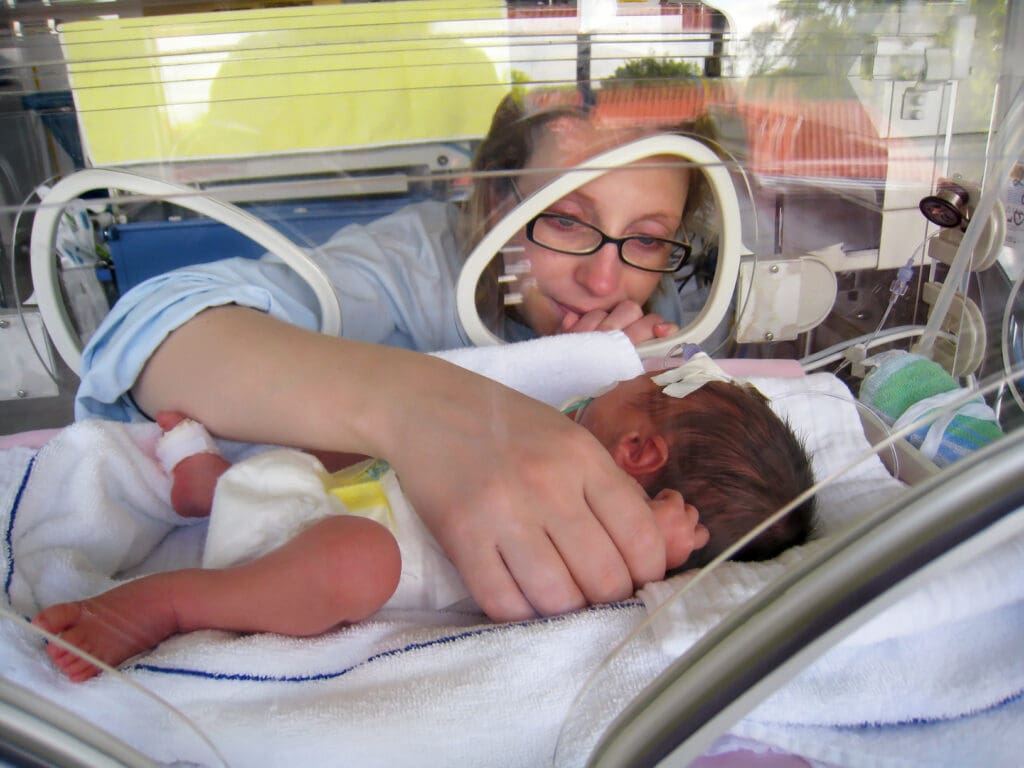







One of the most secure areas of a hospital is the neonatal intensive care unit (NICU), where the smallest and most vulnerable babies may need to receive extended care. If your baby is there, it can be a tough experience.
Sometimes you expect your baby will need care in the NICU because of a condition you learned that they have while you’re pregnant, but other times it can come as a surprise. Whether you’re prepared or not, it’s okay to feel sad, confused, or anxious. You might also feel like you lost the birth experience and bonding time you imagined. All of these feelings are common and completely normal.
The nurses are compassionate when it comes to supporting you in every way possible while your baby is in the NICU. Here’s their best advice for you and things you can do to support yourself and your baby during their NICU stay.
Pump Milk for Baby Right Away
As soon as your baby is born and is taken to the NICU, try to start pumping your milk within the first 6 hours. You’ll likely see a small amount of thick, yellow milk called colostrum come from your breast. This special milk is packed with nutrients that help keep your baby healthy.
Ask your nurse to take this nutrient-rich milk to the NICU quickly; your baby’s healthcare team can use it for baby’s first feeding, or they can rub onto your baby’s cheeks until they can nurse on their own.
Increase Your Milk Supply for Baby
Baby benefits from your milk when you pump and provide it to them while they’re in the NICU. Your milk:
- Is easy for your baby to swallow and digest in their tummy
- Helps protect your baby’s fragile digestive system
- Supports your baby’s growth and brain development
You may need to pump your milk for your baby every 4 hours; that can be challenging and exhausting! Ask if the hospital has a lactation consultant to help you meet this goal. They can help you start pumping effectively, and if you’re discharged from the hospital before baby is, they can share resources both in the hospital and through online support groups. Also ask if the hospital will loan you a breast pump to use at home. A breast pump is available under the Affordable Care Act; ask your health insurer if they cover breast pumps; some plans have different benefits if your baby is in the NICU.
You’re a Member of Baby’s Healthcare Team
You’ll spend more time with your baby than anyone else in the NICU; so, think of yourself as part of baby’s healthcare team. Get to know the nurses and others caring for your baby. Ask questions even if you’re afraid and tell them if you see any changes in your newborn. Your insights can help the providers and nurses make better decisions for your baby’s care.
Many NICUs now have bedside cameras connected to mobile apps with live video that allow you to see your baby if you need leave their side. Tag team with your partner or trusted family member so that your baby always has a caregiver with them.
Get Involved in Baby’s Daily Care
Parenting in the NICU means taking an active role in your baby’s daily care. You can deepen your bond with baby by taking their temperature or changing their diapers. Your presence comforts your baby, especially after medical procedures. Ask the healthcare team how you can help with your baby’s regular care.
Talk, Read, and Sing to Your Baby
Your baby recognizes your voice from their time in your womb. Talking, reading, and singing to your baby helps their brain develop. Your voice can help drown out some of the loud noises in the NICU, making it a calmer environment for your little one.
Hold Your Baby Skin-to-Skin
Holding your baby skin-to-skin is incredibly beneficial. Baby feels your warmth and hears your heartbeat. Holding baby skin-to-skin can stabilize your baby’s heart rate, improve their oxygen levels, and help them sleep better. A major plus is that you’re likely to produce more milk and boost your mood. So, try to hold baby skin-to-skin whenever possible.
Take Care of Yourself
Don’t forget to care for yourself during this stressful time. You need physical and mental rest and healthy food to support your baby’s needs. It’s okay to step away to eat or go home to shower, get some sleep, and unwind from the stress of being in the NICU. Take care of yourself first to be the best support for your baby.
The days, weeks, or months that your baby is in the NICU may be challenging. Remember that you play a central role in your baby’s care and growth. Consider these and many other ways you can contribute to improving your baby’s health.