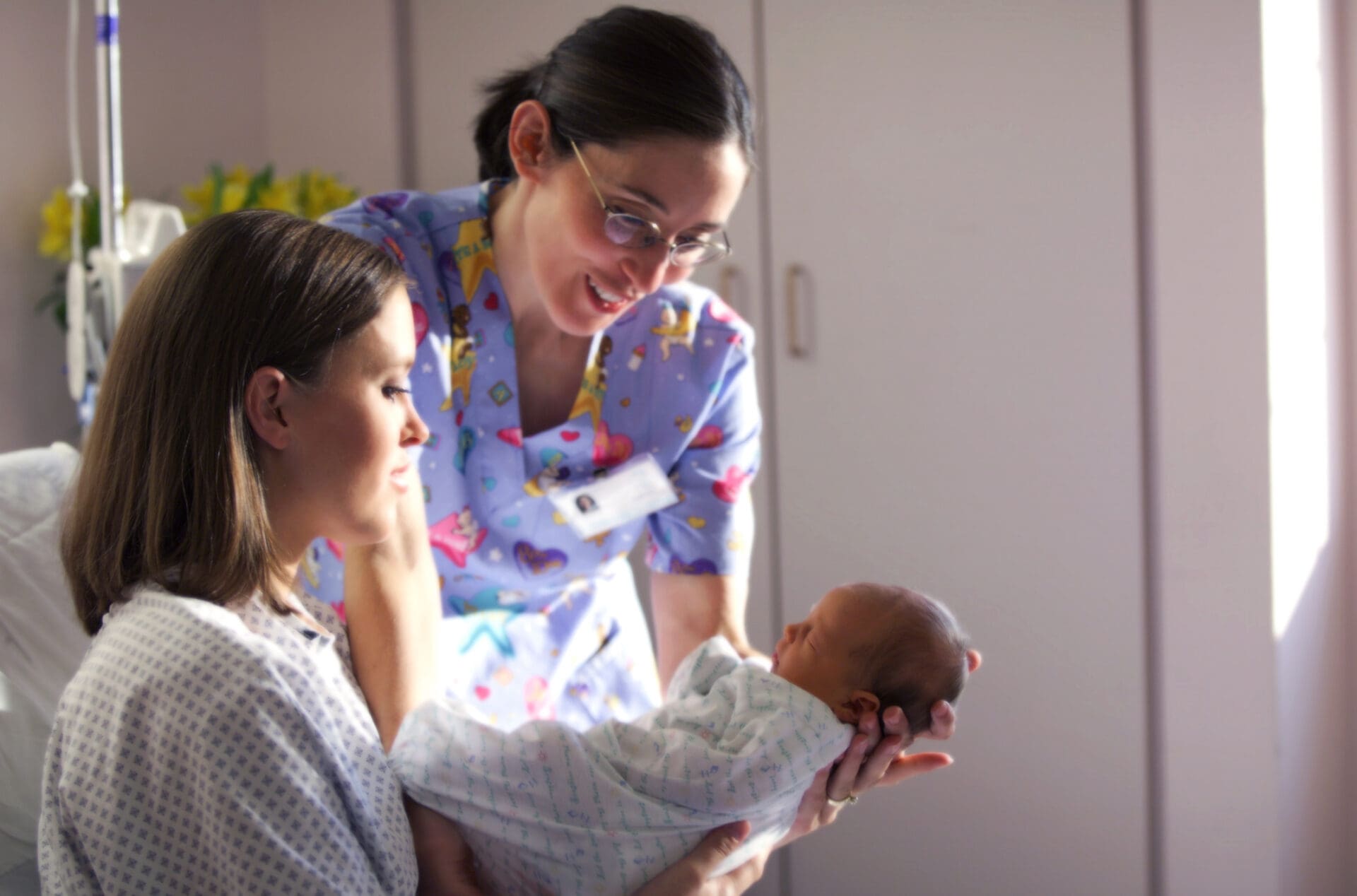
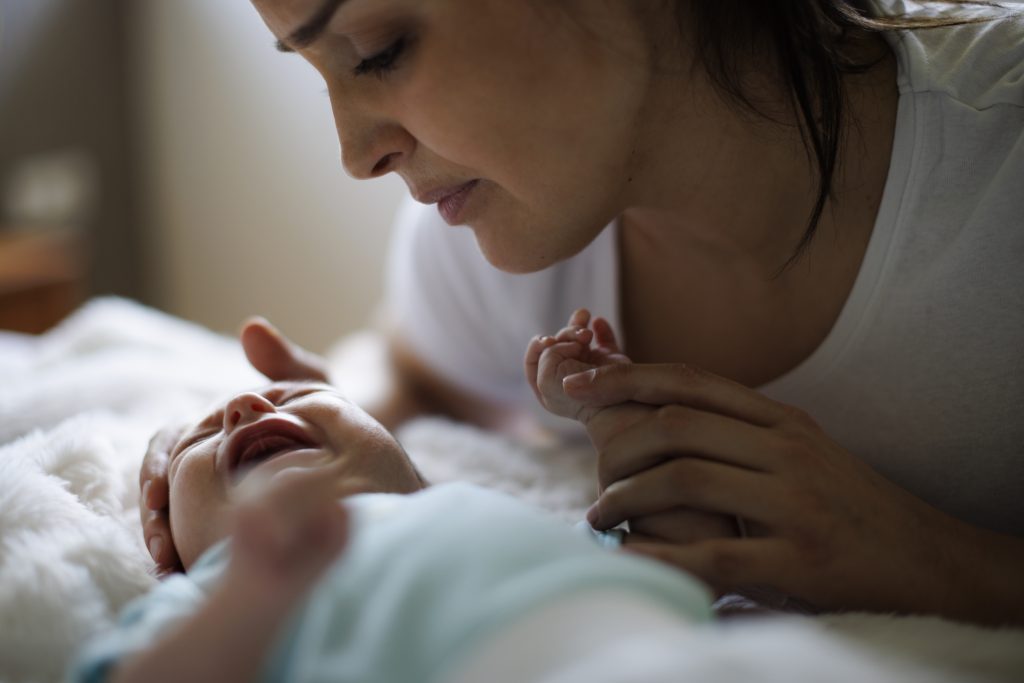







Newborns, or babies who are ages 1-28 days old, are constantly adapting to life outside the womb. They’re breathing on their own and learning to nurse at their mother’s breast or bottle feed, and sometimes it’s hard for parents to discern when baby may need extra support to keep them growing day by day.
Use these eight signs from the World Health Organization to assess how your newborn is adapting to life outside of the womb. Call or visit your pediatrician immediately if you observe your newborn doing any of the following:
- Stops nursing or taking in any nutrition, such as infant formula
- Starts having convulsions
- Belly sucks or sinks into their chest
- Begins breathing fast (two counts of 60 breaths or more in one minute)
- Has a high temperature of 99.5F or more, or a low temp less than 95.7F
- Has a yellowish color around their eyes or on their skin
- Moves only a little or not at all, moves only when stimulated
- Shows any signs of infection, such as redness around the umbilical cord, open sores, or eyes draining a pus-like fluid
You are your baby’s first advocate. If you feel your concerns are dismissed, follow up with a second pediatric care provider until your concerns about your baby are taken seriously. Stand firm in your position as the expert on your baby’s needs.
YOU MAY ALSO LIKE: Eye Exams to Detect Autism?